The “Tanga Bond” is a 10-year revenue bond issue by the Tanga Urban Water and Sanitation Authority to provide investor confidence whilst delivering accessible water services.
Rwanda’s GGCRS shows how integrating climate resilience into national planning can drive coordinated, system-wide transformation across sectors.
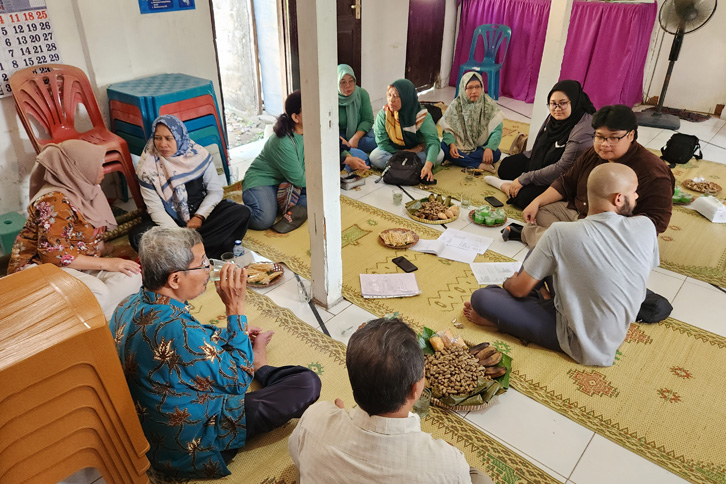
Indonesia’s KOTAKU program demonstrates how participatory planning, backed by funding and technical support, can deliver coordinated slum upgrading at scale.
India’s Smart Cities Mission shows how Special Purpose Vehicles (SPV) can accelerate delivery, while highlighting trade-offs between speed, coordination and long-term sustainability.

Building an Urban Policy from the Ground Up: How Kerala Developed a State Urban Policy and What It Means for Municipal Finance
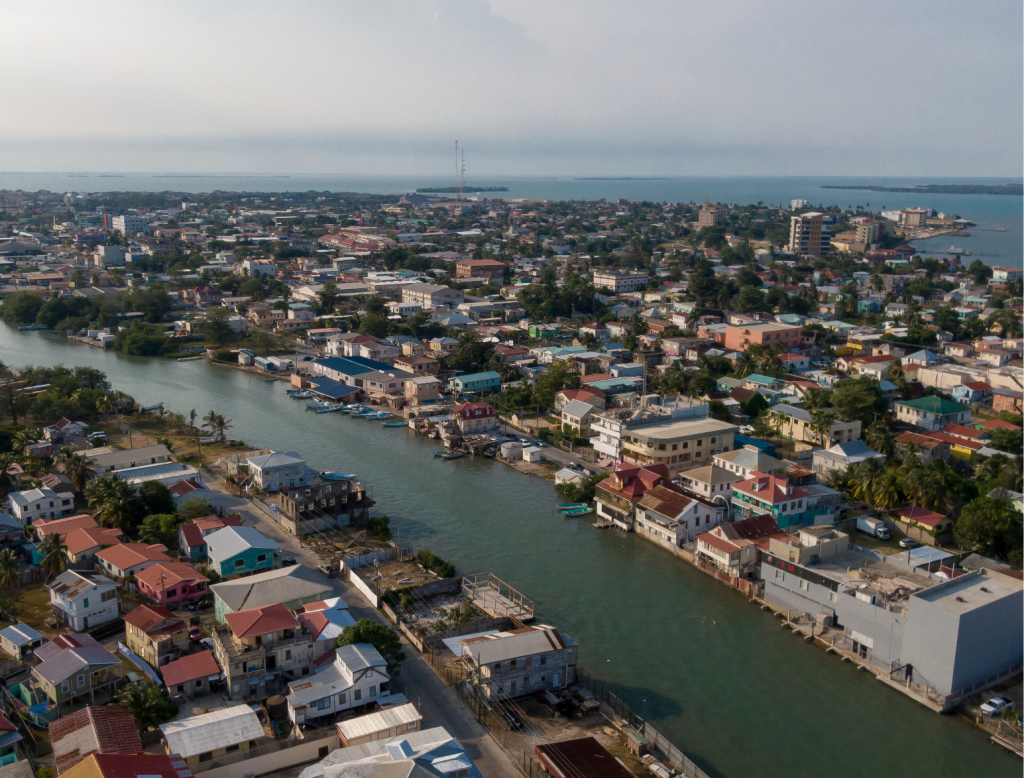
Mobilising Domestic Capital for City Infrastructure: How Belize Developed a Municipal Bond Market
Lending at Scale: How the UK’s Public Works Loan Board Finances Local Government Capital Investment
From Equalisation to Adaptation: How FEICOM is Positioning Cameroon’s Municipal Finance Institution for Climate Action
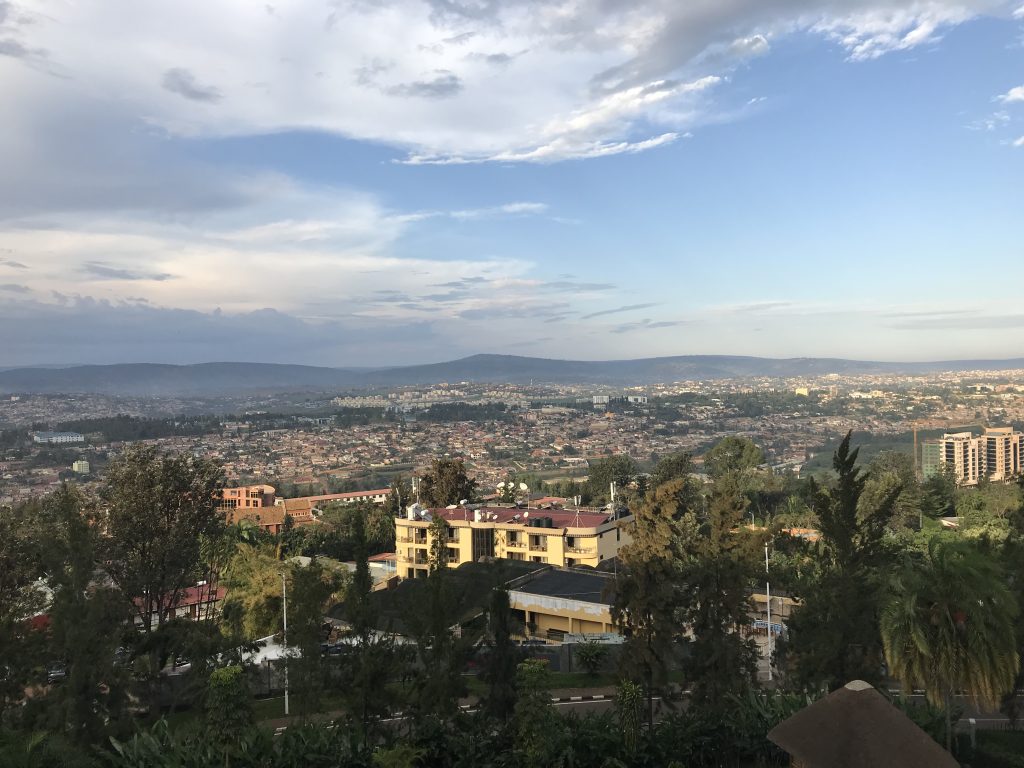
Operationalising Land Value Capture Through Land Readjustment:Lessons from Kigali, Rwanda
Open Cities Lab shows how stronger data governance and digital maturity can improve planning, finance and service delivery in cities.
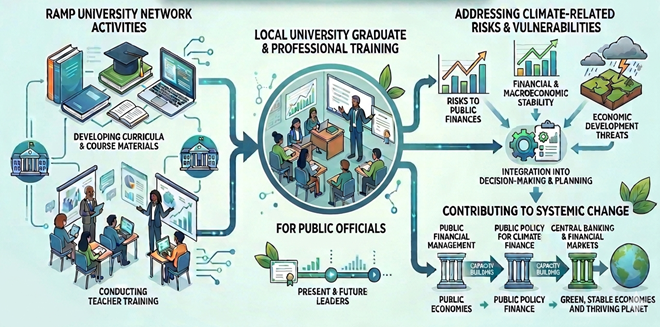
The Education Collaborative shows how universities can use hubs, peer learning and shared tools to strengthen capacity and graduate outcomes.
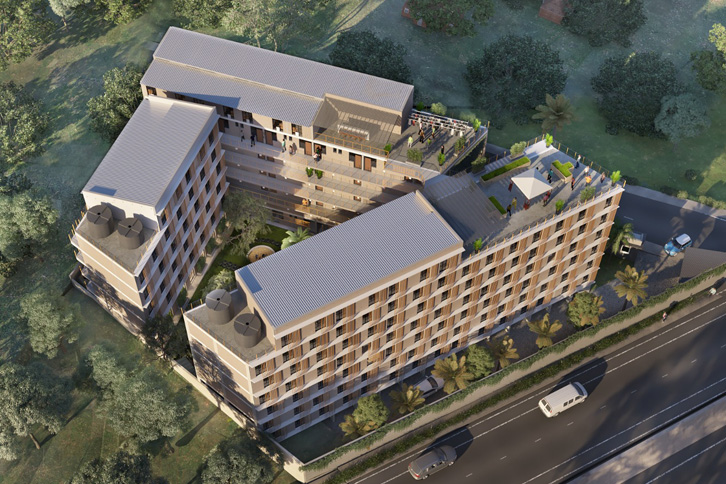
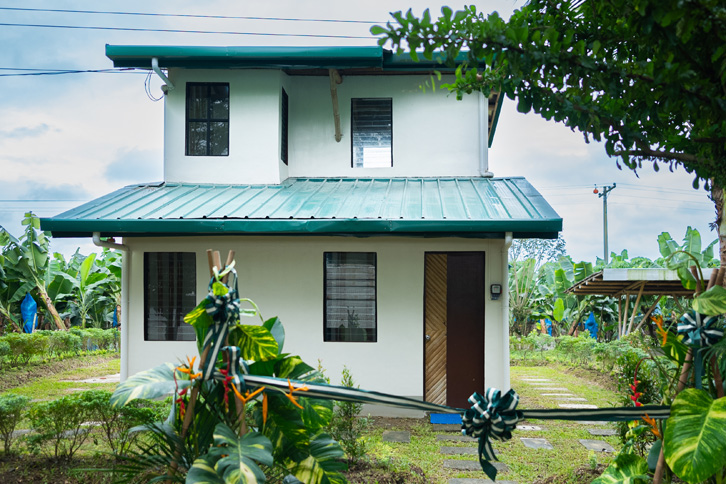
ZIMA Homes shows how courtyard-based mid-density housing can deliver affordable, climate-responsive and dignified urban living.
ROOH Learning Labs show how community-led, climate-resilient housing can be advanced through incremental upgrading, co-production and evidence.
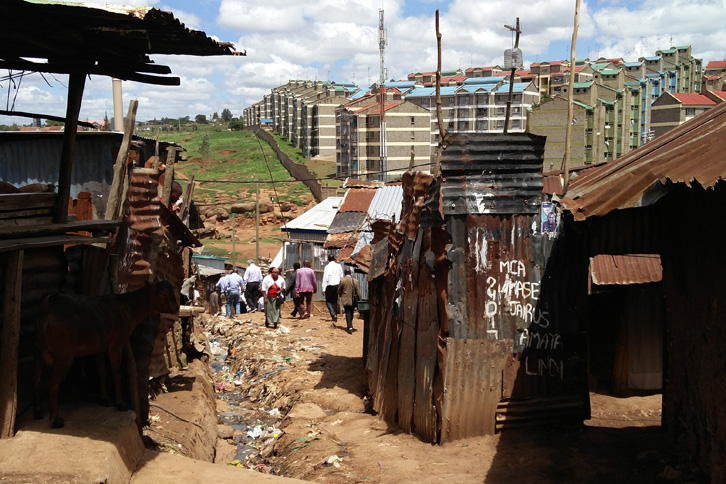
Kenya’s 3IF guides inclusive informal-settlement upgrading through participatory planning, cross-sector coordination and resilient design.
Fiji’s bamboo case shows how research, code reform, capacity building and champions can mainstream low-carbon, climate-resilient construction.
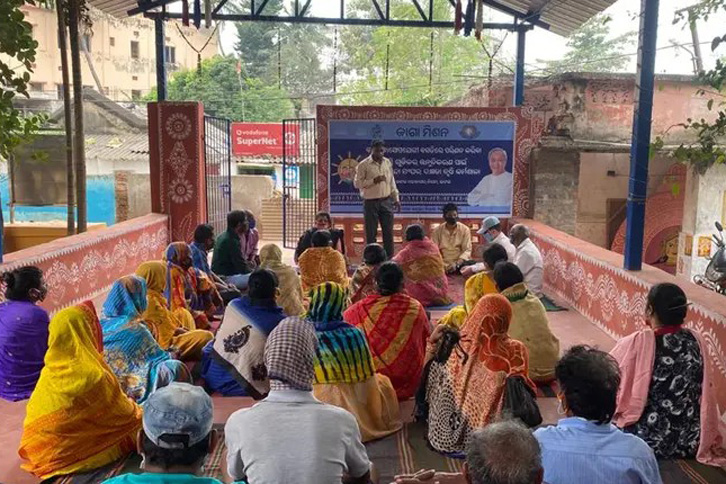
Odisha’s JAGA Mission combined land rights, local governance and community participation to upgrade slums and improve services, dignity and inclusion.
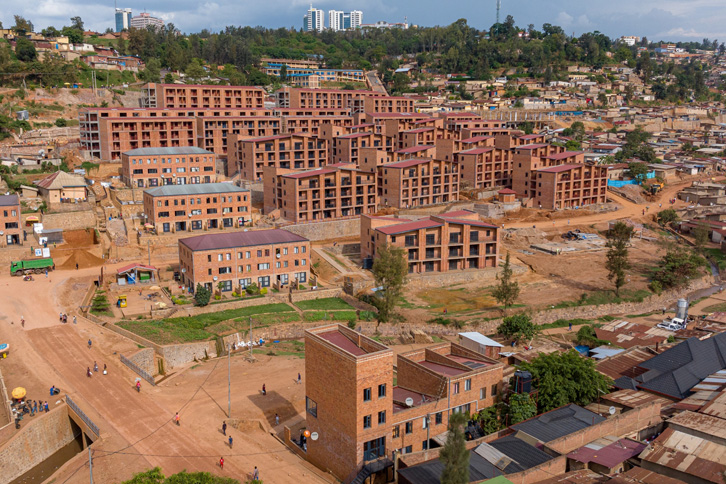
Mpazi shows how inclusive rehousing, land value capture and blended finance can upgrade informal settlements without displacement.
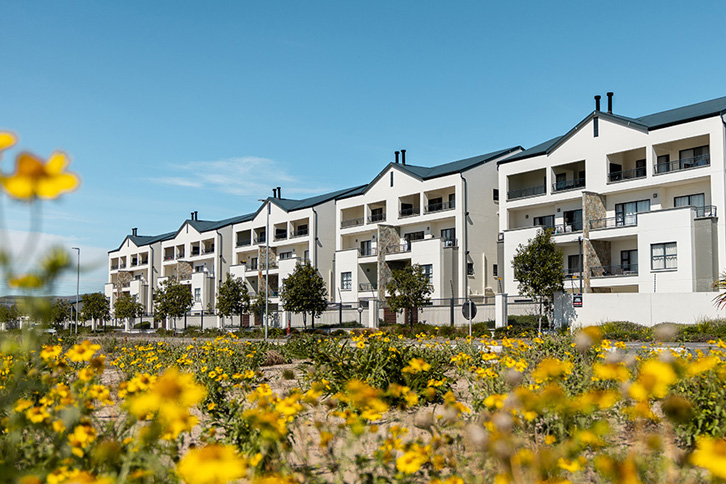
The Balwin–Absa case shows how green certification and preferential mortgages can align supply and demand for affordable, low-carbon housing.
EDGE Home Prescriptive Certification links simple green standards to affordable housing finance, offering a scalable model for low-carbon self-build.
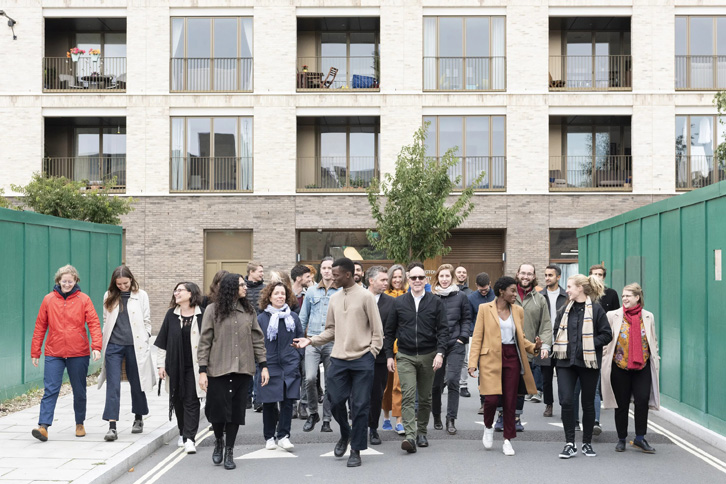
Public Practice shows how embedding built-environment professionals in local authorities can build long-term capacity for inclusive places.
Kibera’s Public Space Project shows how community-led walking, public space and flood management investments can improve connectivity and resilience.
Teaching shifts from Western models to Southern urbanism, producing contextually relevant insights and policy recommendations for African cities.
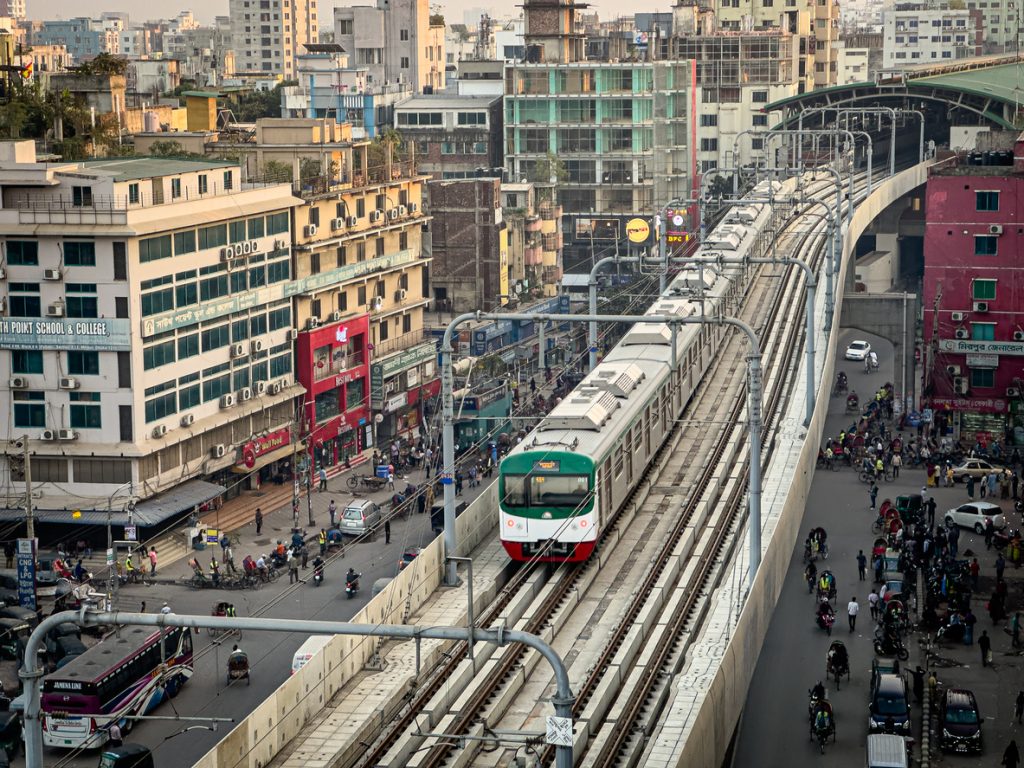
Integrated planning in Bangladesh shows how stronger skills and cross-agency coordination help cities address climate risks and deliver resilient urban development.
Reform coalitions in Nairobi bring communities, researchers and government together to tackle informal settlement challenges and drive inclusive urban reform.
Research in Johannesburg identifies barriers to disability-inclusive health access and proposes policy and monitoring tools to improve planning.