Electric Rickshaw Pioneers Smash Gender Barriers

Electric Rickshaw Pioneers Smash Gender Barriers in India

CROSS-CUTTING SECTORS

Climate, Resilience, Financing, Transport, Gender, Health, SDGs

ORGANISATION(S)

SMV Green

PROJECT OVERVIEW 

10 million cycle rickshaw drivers in India work in difficult conditions for minimal pay. They must also spend a big chunk of their income paying expensive rickshaw rental fees. The alternative, auto-rickshaws, are also expensive for drivers to rent, and although the work is less physically demanding, they are polluting and noisy due to their diesel and petrol engines. Many women in socially conservative communities have been blocked from driving rickshaws, leaving them with few opportunities for employment other than domestic work.

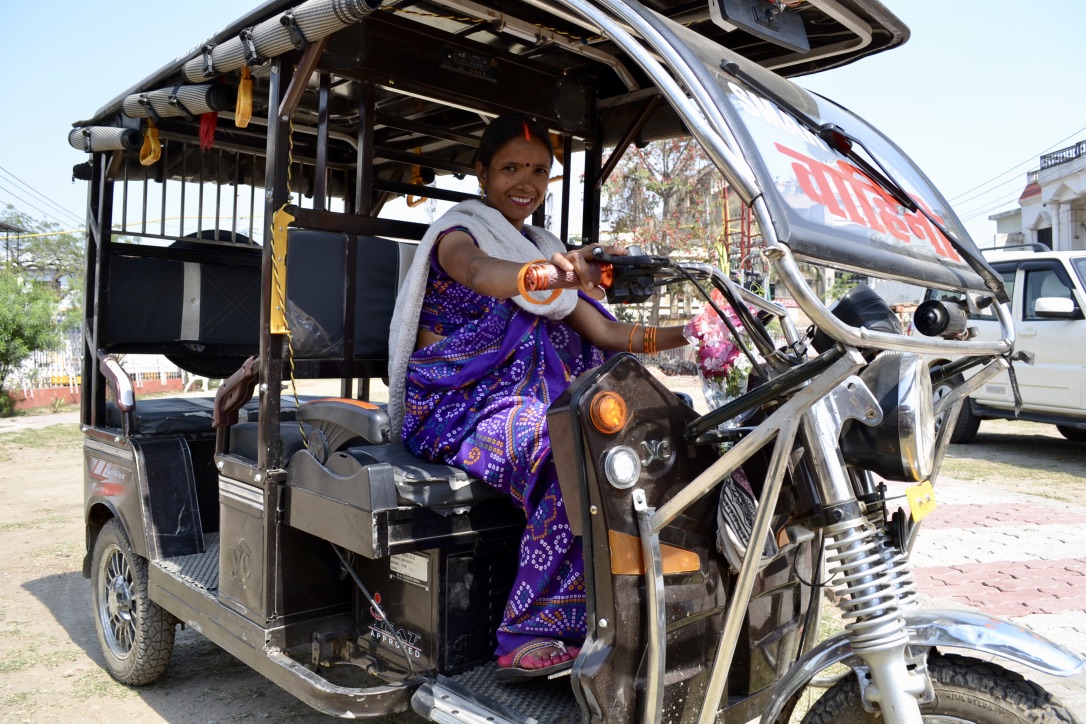
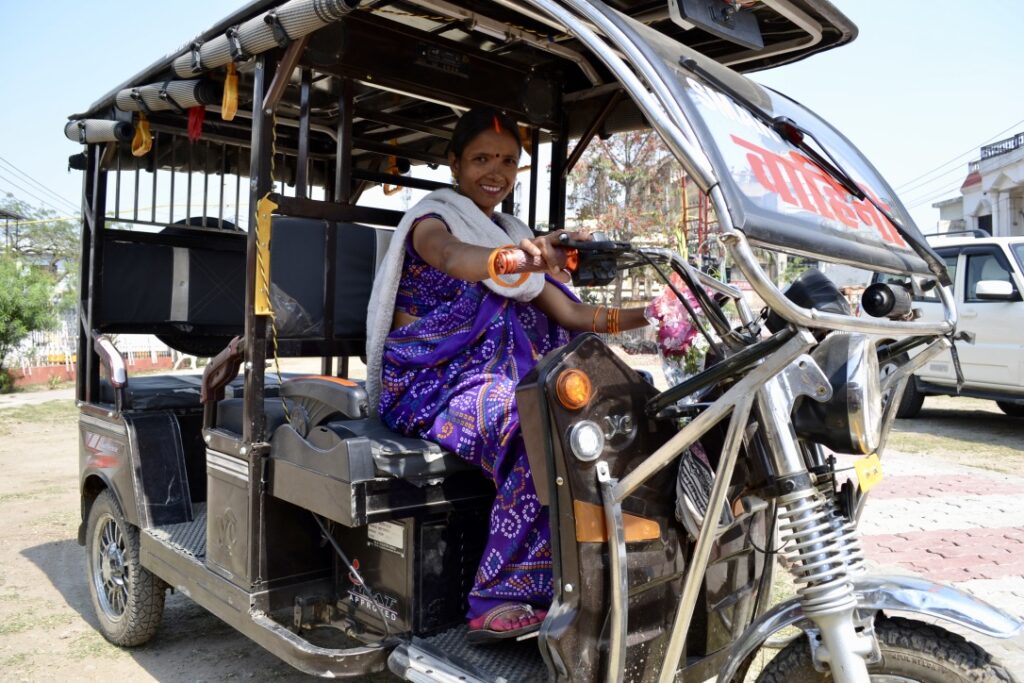
Social enterprise SMV Green aims to eliminate the drudgery of cycle rickshaw work by helping drivers switch to electric rickshaws (e-rickshaws). It provides a ‘one-stop-shop’ for drivers that covers financing, vehicle supply, licensing and permits, money management training, road safety training, and after-sales service.

SMV’s radical Vahini programme has trained some of India’s first woman rickshaw drivers, creating secure incomes for them and improving safety and security for their female passengers. SMV Green is currently active in Varanasi, Prayagraj (formerly known as Allahabad), Lucknow and Patna.

Click here to find out more.

RELEVANCE TO THE CALL TO ACTION ON SUSTAINABLE URBANISATION ACROSS THE COMMONWEALTH

These examples have been chosen because of their relevance to the Call to Action, as shown by the direct quotes provided below. To view the Call to Action click here.

  • “Cities are a major source of greenhouse gas emissions and where the impacts of climate change are experienced acutely.”
  • “Well managed cities are drivers of economic development, centres of innovation and entrepreneurship, and sources of trade and employment that are vital for the livelihoods of their citizens.”
  • “This will help ensure that cities are properly equipped to deal with the challenges of climate change and rapid urbanisation, to reduce risk and vulnerability, inequality and informality, while promoting inclusion and capitalising on the opportunities presented by agglomeration to promote social, economic and environmental well-being.”

THIS EXAMPLE HAS BEEN PROVIDED BY

SMV Green: https://www.smvgreen.com/
Community Power Stations Provide Youth Training and Clean Energy

Community Power Stations Provide Youth Training and Clean Energy in London, UK

CROSS-CUTTING SECTORS

Renewable Energy, Community-Led, Youth, Financing

ORGANISATION(S)

Repowering

PROJECT OVERVIEW 

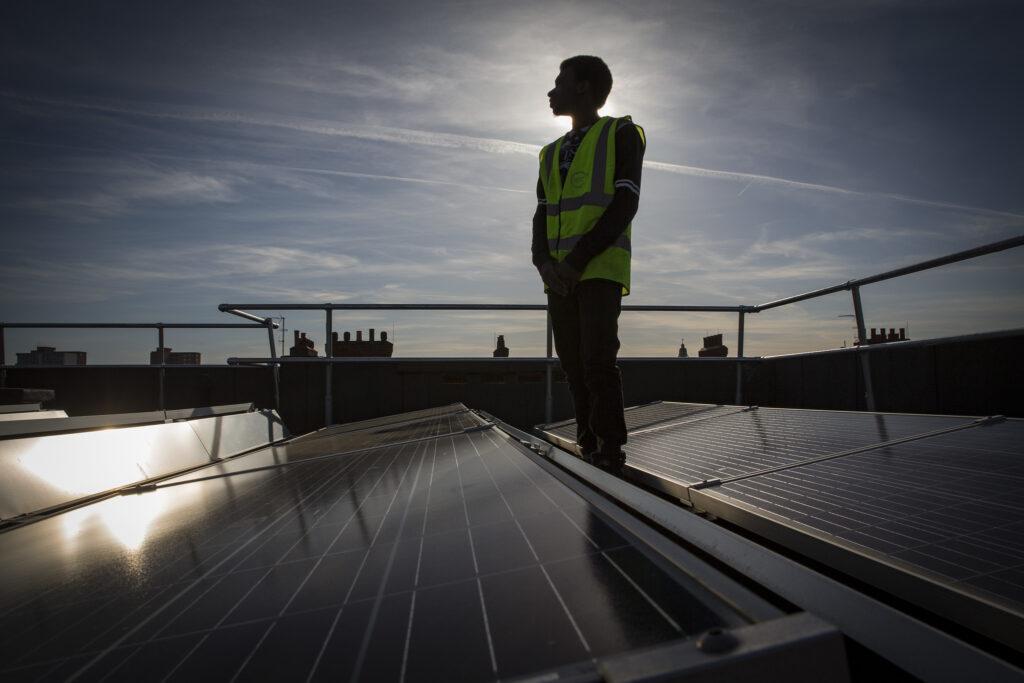
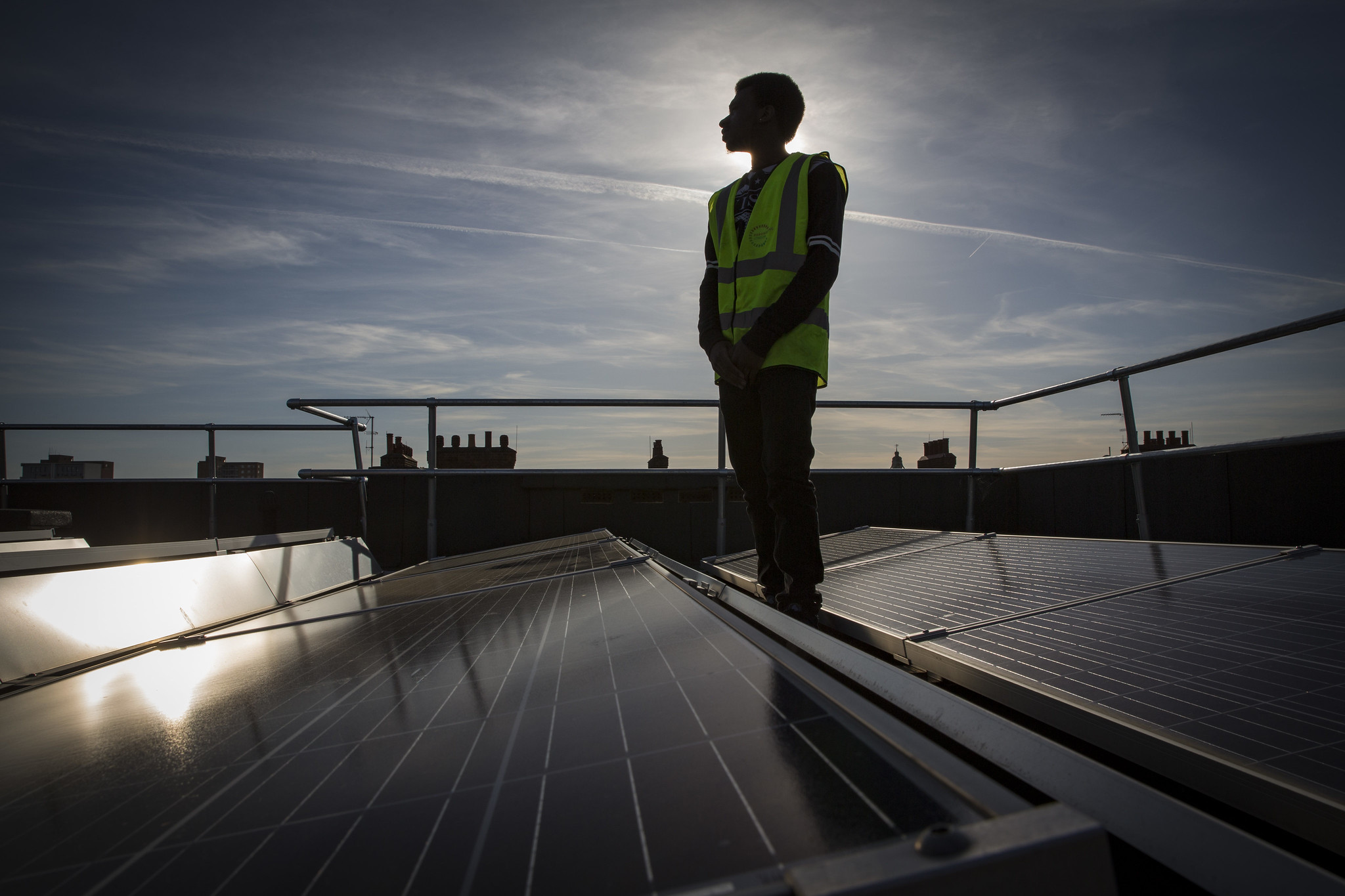
Repowering helps communities fund, install and manage renewable power stations on social housing blocks and community buildings. Solar energy systems on social housing estates in London are generating valuable community funds, and the organisation’s holistic approach tackles fuel poverty while providing employment and mentoring opportunities for young people and local residents.

Started by a group of volunteers, Repowering London is now a Community Benefit Society with a very powerful vision, working in partnership with Local Authorities and community groups to deliver local solutions to local energy problems. A collaborative approach ensures that the interests of the community are at the heart of any project, and its residents are included in every step of the way.

Through Repowering’s projects, communities have raised more than £150,000 to improve their neighbourhoods – while more than 100 young people have benefited from paid internships.

Click here to find out more.

RELEVANCE TO THE CALL TO ACTION ON SUSTAINABLE URBANISATION ACROSS THE COMMONWEALTH

These examples have been chosen because of their relevance to the Call to Action, as shown by the direct quotes provided below. To view the Call to Action click here.

  • “Cities are a major source of greenhouse gas emissions and where the impacts of climate change are experienced acutely.”
  • “Well managed cities and human settlements are drivers of economic development, centres of innovation and entrepreneurship, and sources of trade and employment that are vital for the livelihoods of their citizens, 60% of whom are under 30.”
  • “Sustainable urbanisation requires a commitment to good governance, integrated planning, effective service delivery together with fiscal and political empowerment.”
  • “Universities, research, technology, innovation, and knowledge sharing will be at the heart of ensuring sustainable cities of the future.”

THIS EXAMPLE HAS BEEN PROVIDED BY

Repowering: https://www.repowering.org.uk/

Sustainable Bricks Build Opportunities For Young People

Sustainable Bricks Build Opportunities For Young People in Uganda

CROSS-CUTTING SECTORS

Youth, Public Service Delivery, Resilience, WASH

ORGANISATION(S)

Haileybury Youth Trust

PROJECT OVERVIEW 

Uganda has one of the fastest growing populations on earth. Roughly 80% of the population is younger than 30; many of these young people lack employable skills and youth unemployment is a growing problem. Meanwhile, there is high demand for new housing, schools and other infrastructure. Haileybury Youth Trusts answers both challenges by training young people in sustainable construction techniques, providing skills and promoting greener building.

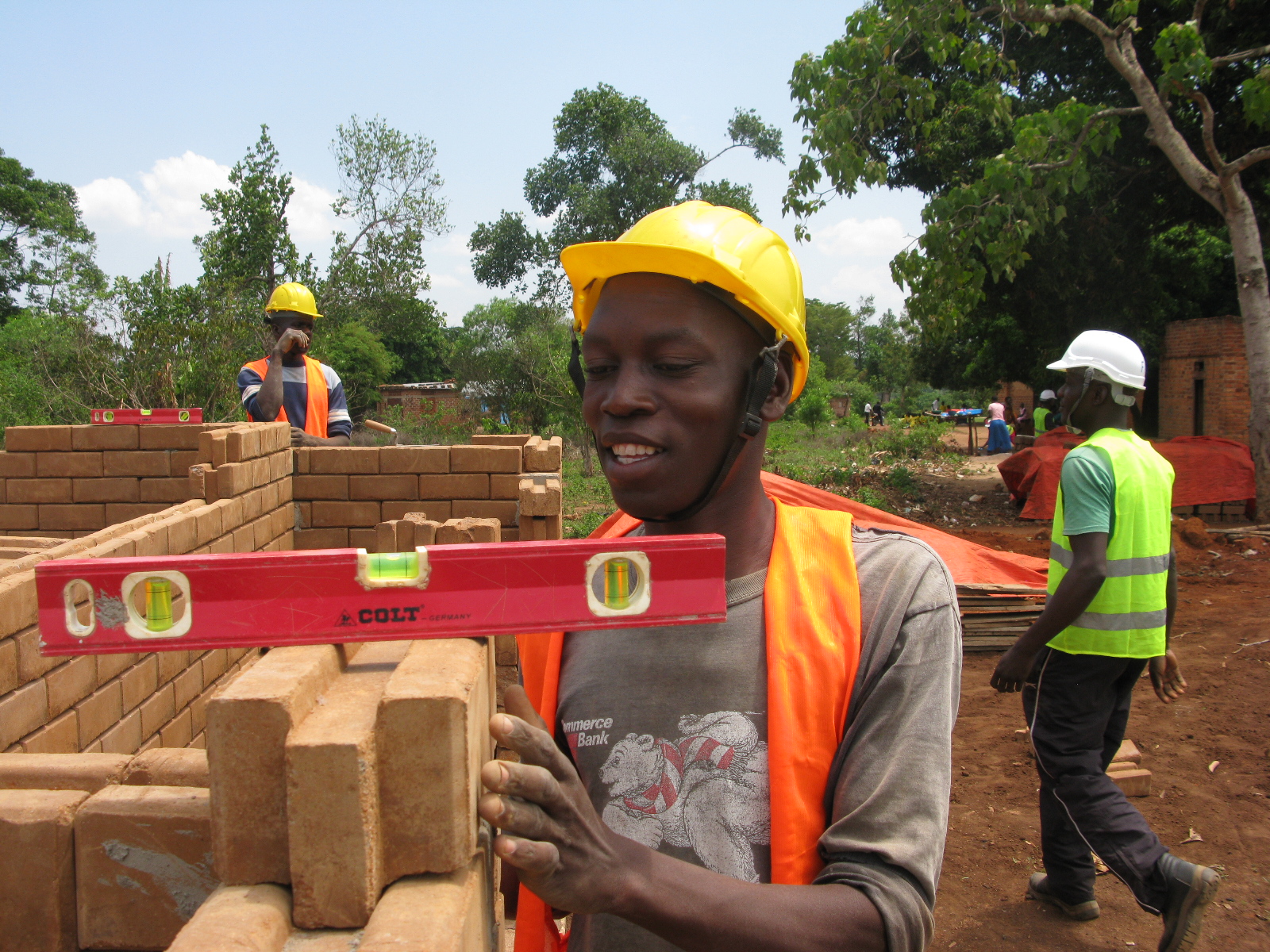
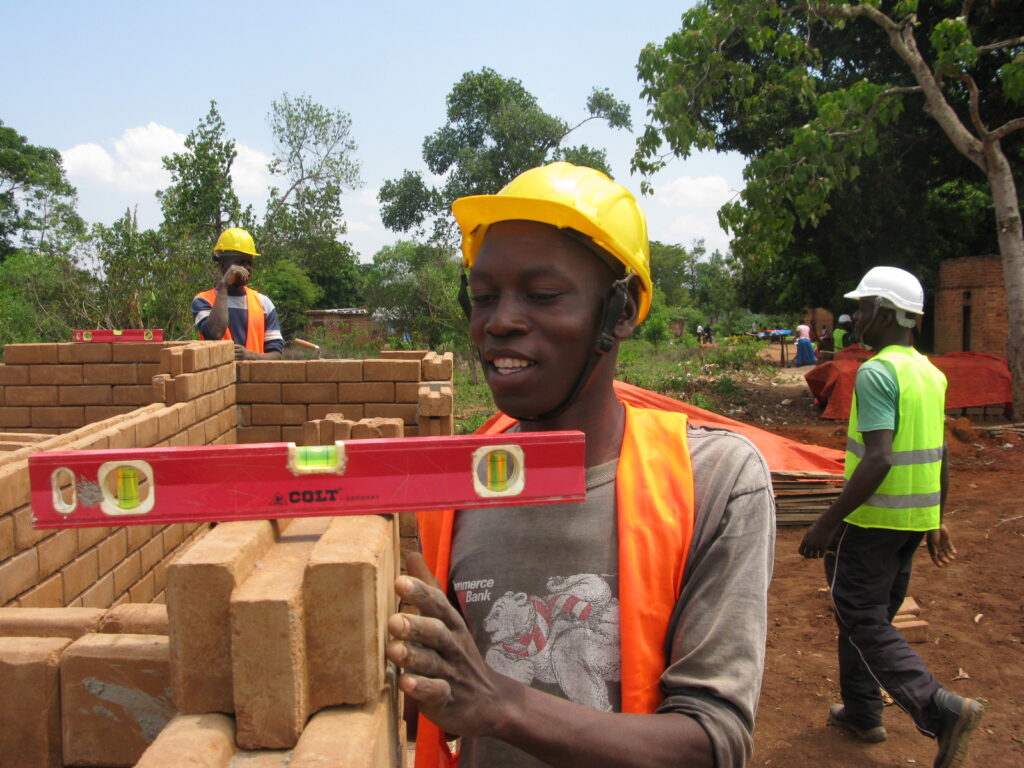
The traditional hand-moulded fired brick, commonly used in Uganda, creates demand for local trees to fuel the brick-making kilns – one of the biggest contributors to the destruction of the country’s forests. Requiring no firewood and less cement, Interlocking Stabilised Soil Blocks (ISSBs), a compressed earth brick, are an economic and low carbon alternative.

Training young people in building with ISSBs provides them with masonry skills and the ability to find employment. Haileybury Youth Trust’s projects include affordable housing, latrines, washrooms, kitchens, school dormitories and classrooms, and rainwater harvesting tanks.

Click here to find out more.

RELEVANCE TO THE CALL TO ACTION ON SUSTAINABLE URBANISATION ACROSS THE COMMONWEALTH

These examples have been chosen because of their relevance to the Call to Action, as shown by the direct quotes provided below. To view the Call to Action click here.

  • “Well managed cities and human settlements are drivers of economic development, centres of innovation and entrepreneurship, and sources of trade and employment that are vital for the livelihoods of their citizens, 60% of whom are under 30.”
  • “There is already a substantial deficit in investment in essential urban infrastructure.”
  • “Sustainable urbanisation requires a commitment to good governance, integrated planning, effective service delivery together with fiscal and political empowerment.”

THIS EXAMPLE HAS BEEN PROVIDED BY

Haileybury Youth Trust: https://www.haileybury.com/about-haileybury/haileybury-community/haileybury-youth-trust/

Te Ara Awataha – The Awataha Greenway

Te Ara Awataha – The Awataha Greenway in Auckland, New Zealand

CROSS-CUTTING SECTORS

Urban planning, Housing, Climate, Resilience, Health, Transport, Water

ORGANISATION(S)

Auckland Council, Panuku Development Auckland, Kāinga Ora, Kaipātiki Project, Ngā Mana Whenua ō Tāmaki Makaurau (indigenous leaders)

PROJECT OVERVIEW 

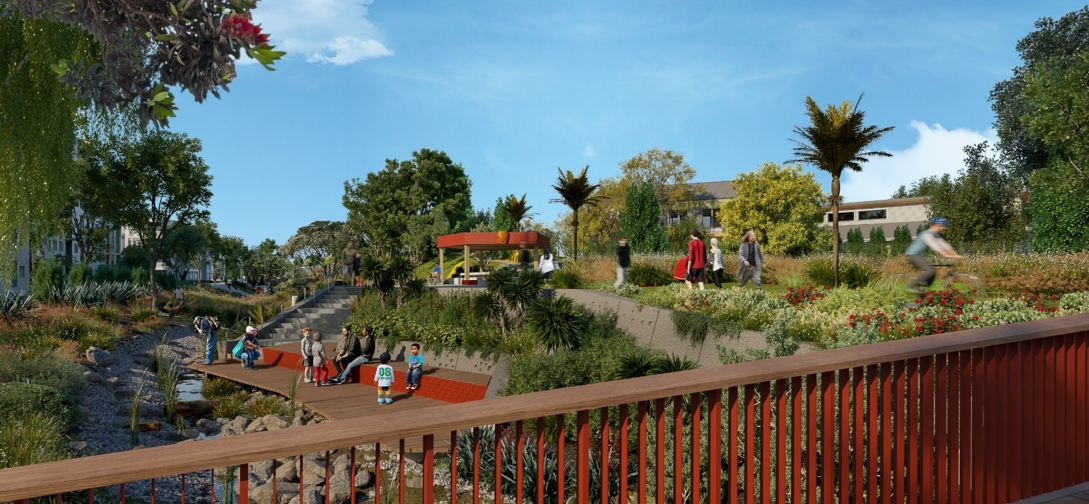
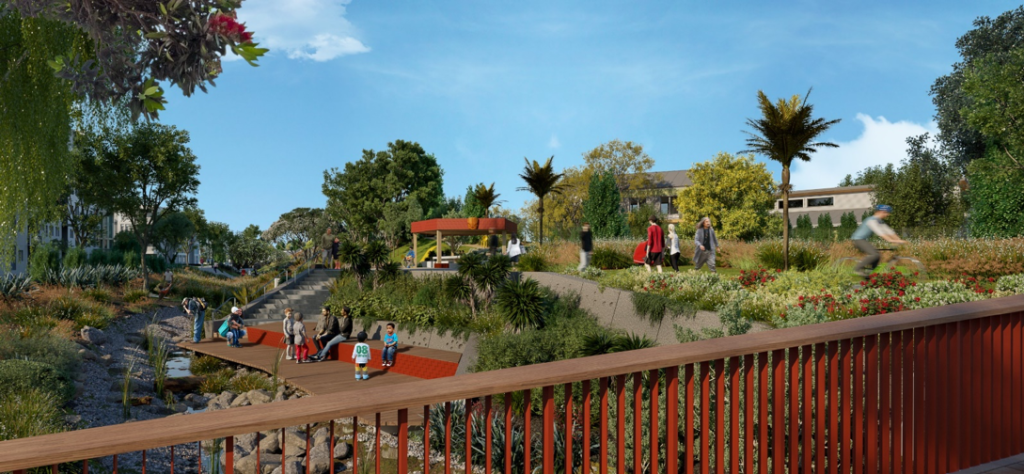
Te Ara Awataha is a 1.5km green infrastructure project linking Northcote town centre to existing parks, schools and homes in Northcote, Auckland. It’s part of the wider urban regeneration of Northcote and seeks to resolve long-standing stormwater issues while creating a valued and resilient environmental asset. The project includes partial daylighting of the Awataha Stream, a shared walking and cycling path, native planting, play destinations and the integration of cultural design elements.

Te Ara Awataha is being delivered in partnership with the city council and its urban regeneration agency, the government housing authority and indigenous leaders from the area (Mana Whenua). The local community has been part of the design and delivery of the project, including a community-led restoration project at the source of the stream.

A key focus of the project is reviving the historic Awataha Stream, confined to an underground pipe since the 1950s and largely built over. This includes physical works to improve water quality and biodiversity, and social interventions that involve and educate the community. This approach instils a sense of kaitiakitanga (guardianship) for Te Ara Awataha.

Physical delivery began in 2020 and the project will be delivered in stages over the next 6 years.

Click here and here to find out more.

RELEVANCE TO THE CALL TO ACTION ON SUSTAINABLE URBANISATION ACROSS THE COMMONWEALTH

These examples have been chosen because of their relevance to the Call to Action, as shown by the direct quotes provided below. To view the Call to Action click here.

  • “All the Commonwealth member states’ urgent priorities have an urban dimension, and a greater focus on sustainable urbanisation will ensure that people, and improving the quality of life for all remain central to the work of the Commonwealth.”
  • “Cities are a major source of greenhouse gas emissions and where the impacts of climate change are experienced acutely.”
  • “Seeking urgent action to reduce carbon emissions, halt biodiversity loss, strengthen climate resilience and adaptation, while addressing the finance gap and calling for a greater local response to climate change issues.”

THIS EXAMPLE HAS BEEN PROVIDED BY

Panku Development Auckland: https://www.panuku.co.nz/