Embedding Sanitation and Hygiene in Town Planning in Babati, Tanzania

Embedding Sanitation and Hygiene in Town Planning in Babati, Tanzania 

CROSS-CUTTING SECTORS

WASH, Governance, Planning, Capacity Building, Data  

ORGANISATION(S)

WaterAid Tanzania as project lead; the Nelson Mandela African Institution of Science and Technology (NM-AIST) for lead on research; Babati Town Council (BTC) to lead locally and link with communities; the Babati Water and Sanitation Authority (BAWASA) for technical expertise; and Manyara Regional Secretariat to supervise the implementation of research.  

PROJECT OVERVIEW 

In 2019, Babati had neither proper wastewater management system nor sanitary solid waste disposal. The main challenge to address this was the reluctance of authorities to invest and work with other actors on sanitation and hygiene. This was partly due to the common misconception that sanitation has to be done with a sewerage system, with very large capital costs, even though the town relied on on-site sanitation. An action research programme took stock of the situation through a formative research, data collection with city authorities and communities, a political economy analysis and a Shit-Flow-Diagram. The results were used for a scenario planning workshop which brought together many town actors to identify which options for sanitation and for hygiene were possible and preferable. Local authorities of secondary cities can find themselves constrained when considering sanitation: their size and the typical engineers’ training seems to mandate sewerage, which is very expensive to install and maintain. This attitude can create paralysis and prevent any meaningful investment in infrastructure improvements. This project has shown a method to accompany authorities in finding out which greater range of options is available to them and prioritise investments. Click here for more information.

RELEVANCE TO THE CALL TO ACTION ON SUSTAINABLE URBANISATION ACROSS THE COMMONWEALTH

These examples have been chosen because of their relevance to the Call to Action, as shown by the direct quotes provided below. To view the Call to Action click here.

  • “Cities and human settlements are responsible for ensuring delivery of essential services including water, sanitation, healthcare, education, public transport, and housing, upon which their citizens depend.” 
  • “Sustainable urbanisation requires a commitment to good governance, integrated planning, effective service delivery together with fiscal and political empowerment.” 
  • “Sustainable urbanisation demands collective action – genuine multi-level governance – to empower, enable and support cities and their citizens.”   

THIS EXAMPLE HAS BEEN PROVIDED BY

WaterAid: https://www.wateraid.org/uk/
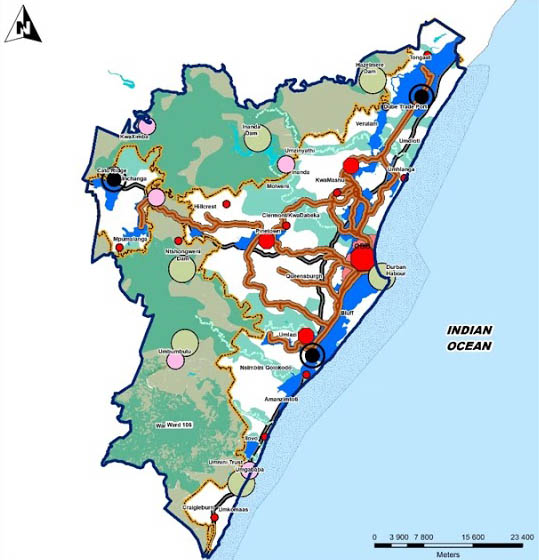
Strategic Planning in eThekwini, South Africa

Strategic Planning in eThekwini, South Africa 

CROSS-CUTTING SECTORS

Governance, planning, resilience, finance, capacity building, SDGs 

ORGANISATION(S)

eThekwini Municipality

PROJECT OVERVIEW 

In many countries across the world the challenge for sustainable urbanisation is that different spheres of government often work in silos which leads to a lack of coherence in planning and implementation at the local level. In an effort to address this South Africa created a District Development Model in 2019. The Model ensures all three spheres of government work together, with communities and stakeholders, to plan, budget and implement in unison. The Model aims to improve the coherence and impact of government service delivery with a focus on 44 Districts and 8 Metros. Alongside the District Development Model, eThekwini has created an Integrated Development Plan (IDP) which takes the vision from the Model to generate implementational mechanisms at the institutional level. It includes capacity building workshops and mentoring for long term strategic development as well as aligning the UN 2030 Sustainable Development Goals (SDGs) to the IDP outcomes. In the first year of the IDP there were 60 SDG indicators without associated projects, in the second year there were 48 and in the third year only 40 which highlights significant progress. To find out more about the IDP click here.  

RELEVANCE TO THE CALL TO ACTION ON SUSTAINABLE URBANISATION ACROSS THE COMMONWEALTH

These examples have been chosen because of their relevance to the Call to Action, as shown by the direct quotes provided below. To view the Call to Action click here.

  • “Sustainable urbanisation demands collective action – genuine multi-level governance – to empower, enable and support cities and their citizens” 
  • “Cities and human settlements are responsible for ensuring delivery of essential services including water, sanitation, healthcare, education, public transport, and housing, upon which their citizens depend.” 
  • “Sustainable urbanisation requires a commitment to good governance, integrated planning, effective service delivery together with fiscal and political empowerment.”  

THIS EXAMPLE HAS BEEN PROVIDED BY

eThekwini Municipality

Reaching Diverse Communities with Artificial Intelligence: The Talanoa Project in Auckland, NZ

Reaching Diverse Communities with Artificial Intelligence: The Talanoa Project in Auckland, NZ

CROSS-CUTTING SECTORS

Good Governance, Inclusion, Urban Planning, Public Service Delivery, Technology

ORGANISATION(S)

Beca Ltd

PROJECT OVERVIEW

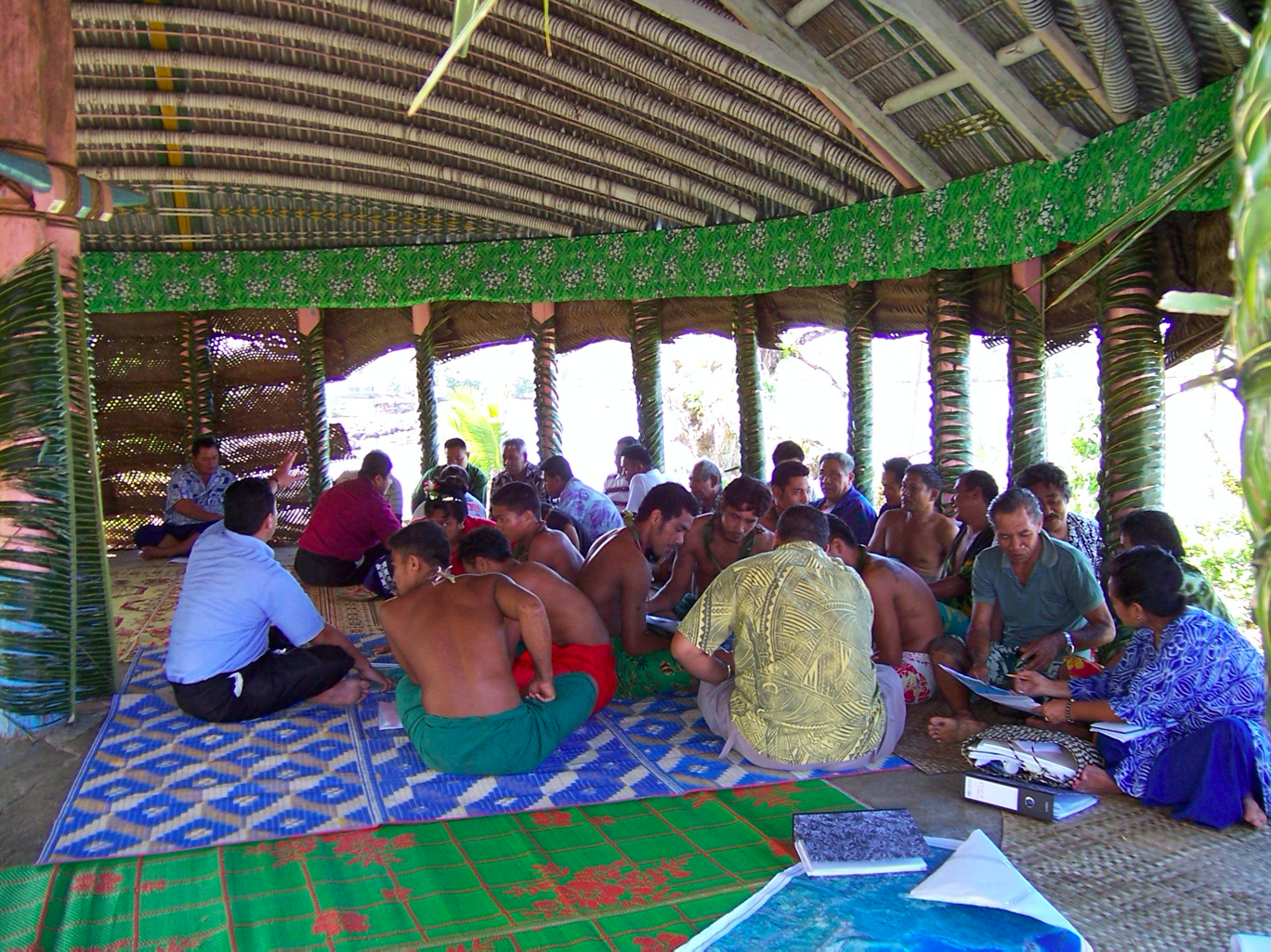
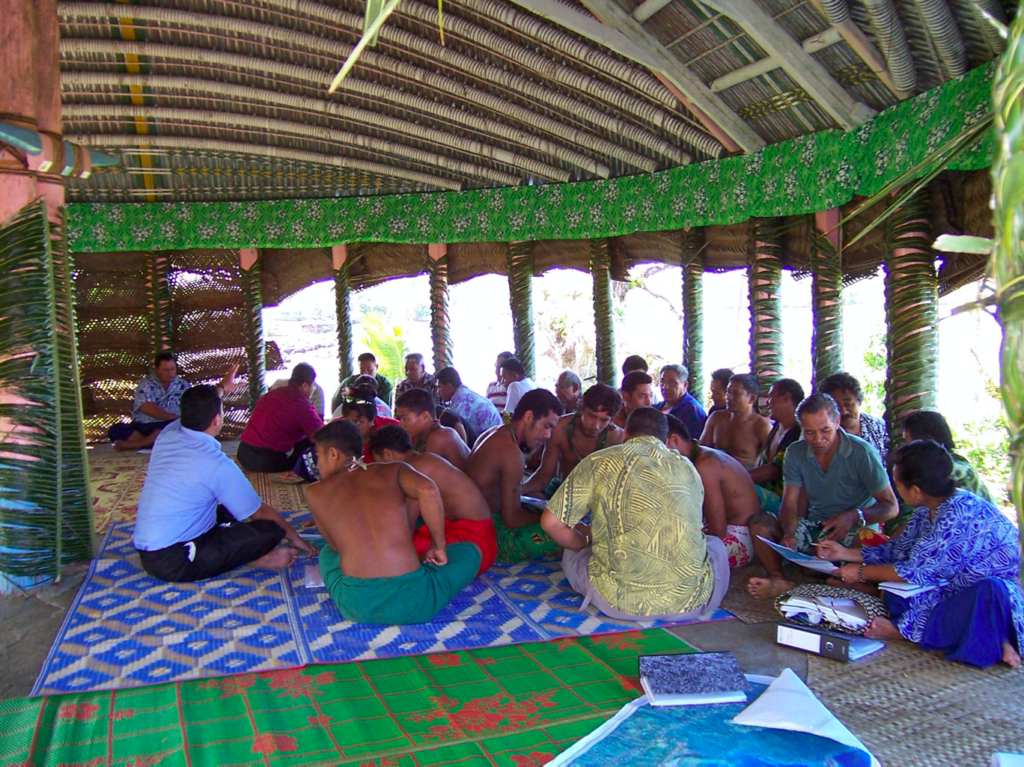
New Zealand is a highly diverse society made up of different ethnicities and cultures, characterised by different languages and customs. Engaging and consulting with communities and the public is promoted under planning legislation in New Zealand and is becoming increasingly important for decision-makers as they look to bolster the robustness of their decision-making. Through this pilot project, Beca Ltd sought to understand how communities that historically do not participate in traditional engagement techniques would engage through a digital platform allowing them to participate in a time, place, and language they are comfortable with. The Talanoa Project was launched as an investigation into an innovative engagement tool to connect with Auckland’s Samoan community, the ‘silent majority’. Beca Ltd wanted to understand if using artificial intelligence (AI) technology could break through cultural barriers and if it should be embedded as a trusted method within our wider engagement strategies and plans as public feedback is sought to inform development projects. Click here to find out more.

RELEVANCE TO THE CALL TO ACTION ON SUSTAINABLE URBANISATION ACROSS THE COMMONWEALTH

These examples have been chosen because of their relevance to the Call to Action, as shown by the direct quotes provided below. To view the Call to Action click here.

  • “Sustainable urbanisation demands collective action – genuine multi-level governance – to empower, enable and support cities and their citizens.”
  • “Cities and human settlements are responsible for ensuring delivery of essential services including water, sanitation, healthcare, education, public transport, and housing, upon which their citizens depend.”
  • “Sustainable urbanisation requires a commitment to good governance, integrated planning, effective service delivery together with fiscal and political empowerment.”

THIS EXAMPLE HAS BEEN PROVIDED BY

Commonwealth Association of Planners (CAP): https://www.commonwealth-planners.org/

‘Salubata’ Sustainable Shoes Feeding Children in Lagos

‘Salubata’ Sustainable Shoes Feeding Children in Lagos

CROSS-CUTTING SECTORS

Circular Economy, Food, Youth, Urban Poor, Recycling

ORGANISATION(S)

Salubata, UN-Habitat

PROJECT OVERVIEW 

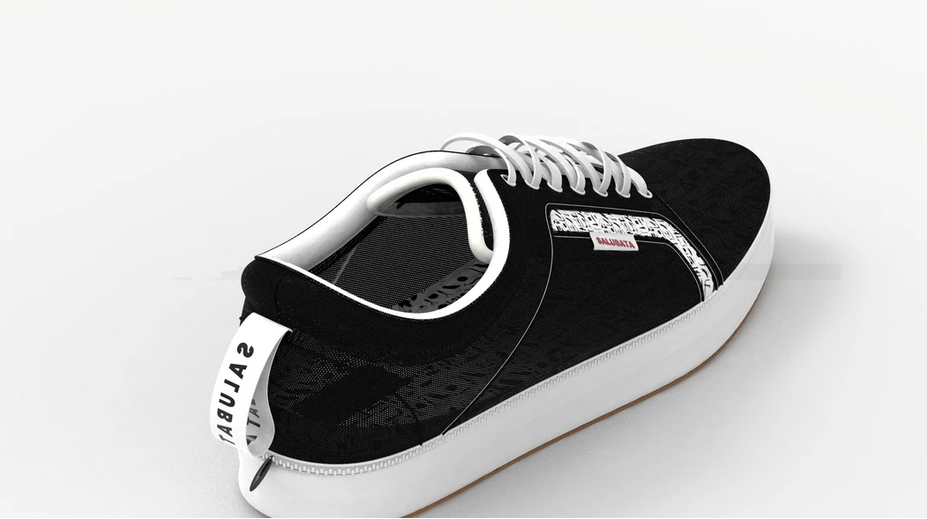
Salubata manufactures modular shoes from recycled plastics and algal bloom. As a pair of shoes requires about a kilogram of plastic waste for its production, this initiative significantly contributes to the reduction of the vast amounts of plastic waste generated. One of ‘Africa’s 100 Most Promising Start-Ups’, the company, based in Lagos, Nigeria, aims to produce 5,000,000 shoes per year by 2023. In addition to contributing to waste reduction, 5 per cent of profits are donated to help children confronted with malnutrition. In a year, Salubata contributed $4,464,000 of profit to the cause of feeding over 1,100,000 starving children, and converted over 160,000 tonnes of plastics to wearable shoes. Click here for more information.

RELEVANCE TO THE CALL TO ACTION ON SUSTAINABLE URBANISATION ACROSS THE COMMONWEALTH

These examples have been chosen because of their relevance to the Call to Action, as shown by the direct quotes provided below. To view the Call to Action click here.

  • “Well managed cities and human settlements are drivers of economic development, centres of innovation and entrepreneurship, and sources of trade and employment that are vital for the livelihoods of their citizens, 60% of whom are under 30.”
  • “Sustainable urbanisation demands collective action – genuine multi-level governance – to empower, enable and support cities and their citizens. This is critical as many Commonwealth cities and human settlements are grappling with poverty, informality, food security and migration.”
  • “Sustainable urbanisation requires a commitment to good governance, integrated planning, effective service delivery together with fiscal and political empowerment.”

THIS EXAMPLE HAS BEEN PROVIDED BY

UN-Habitat: https://unhabitat.org/