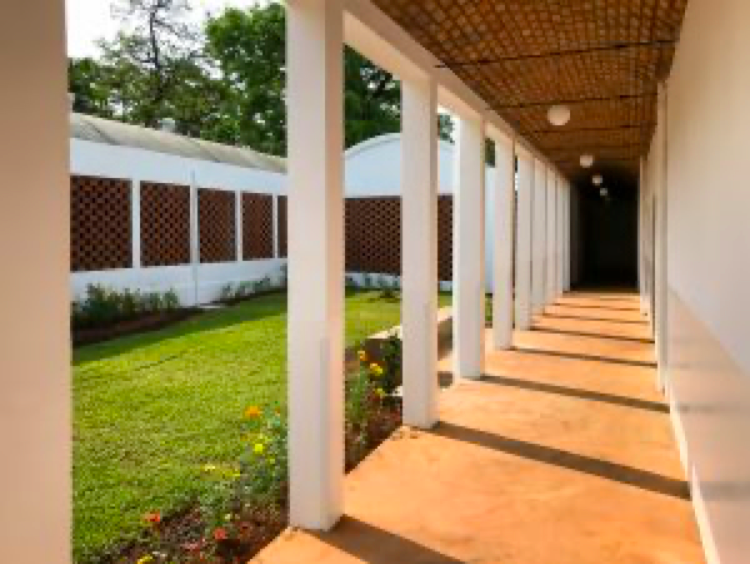
Catalysing Affordable Housing in Kenya

Catalysing Affordable Housing in Kenya

CROSS-CUTTING SECTORS

Finance, housing, climate, land tenure, urban poor, gender

ORGANISATION(S)

REALL in partnership with BuildX Studio Ltd (formerly OrkidStudio)

PROJECT OVERVIEW 

Rapid urbanisation in Kenya means that the current housing deficit stands at over 2 million homes – with an estimated 61% of Kenyans living in slums. Several challenges currently limit the housing supply including high cost of land, high construction costs and outdated construction materials and methods. Kenya remains over-dependent on cement-based materials delivered through highly wasteful and inefficient methods which harm the environment.

Reall recognises that construction must be climate smart and have partnered with BuildX, Africa’s first B Corp Certified Design-Build company, to deliver greener affordable housing, without compromising on quality and design. Together, BuildX and Reall are creating construction sustainability through sourcing local materials which significantly reduce carbon emissions. They are also piloting standardised housing construction which leverages technology – maximising recycling and reuse and reducing waste and emissions.

Coupled with their strong green build expertise, BuildX have excellent gender equality credentials, prioritising labour and training for women. Click here for more information on the project. 

RELEVANCE TO THE CALL TO ACTION ON SUSTAINABLE URBANISATION ACROSS THE COMMONWEALTH

These examples have been chosen because of their relevance to the Call to Action, as shown by the direct quotes provided below. To view the Call to Action click here.

  • “Cities and human settlements are responsible for ensuring delivery of essential services including water, sanitation, healthcare, education, public transport, and housing”
  • “There is already a substantial deficit in investment in essential urban infrastructure.” 
  • “Cities are a major source of greenhouse gas emissions and where the impacts of climate change are experienced acutely.”
  • “Sustainable urbanisation demands collective action – genuine multi-level governance – to empower, enable and support cities and their citizens.”

THIS EXAMPLE HAS BEEN PROVIDED BY

REALL: https://www.reall.net/
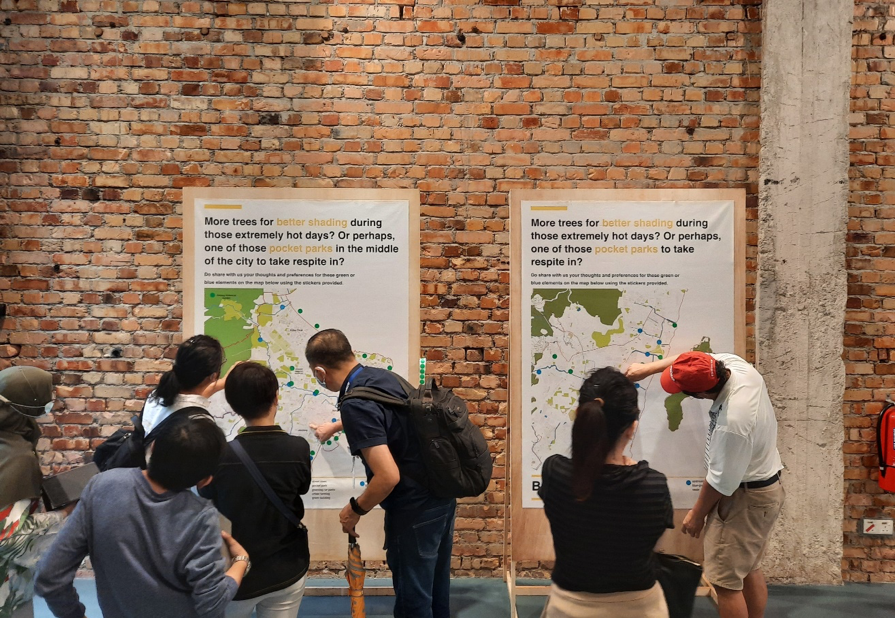
Nature-based Climate Adaptation Programme for the Urban Areas of Penang Island

Nature-based Climate Adaptation Programme for the Urban Areas of Penang Island 

CROSS-CUTTING SECTORS

Governance, Capacity Building, Resilience, Gender 

ORGANISATION(S)

Think City, Ministry of Environment and Water, Department of Irrigation and Drainage, City Council of Penang Island

PROJECT OVERVIEW 

Penang is situated in Southeast Asia which is projected by the Intergovernmental Panel on Climate Change (IPCC) to be one of the three regions in the world to be hit the hardest by climate change. Penang is mostly susceptible to increasing temperatures, heatwaves and frequent extreme weather events such as heavy rainfall which leads to flooding. Several vulnerable communities in Penang include communities living in areas that are flood prone. The programme is a multilateral initiative that looks to enhance urban resilience and reduce human and ecosystem vulnerability to climate change impacts and extreme weather events through the implementation of nature-based solutions (NBS). It also seeks to improve social resilience and build institutional capacity in collaborative efforts. The programme’s 4 components include the use of nature-based solutions for: a) reducing urban heat, b) improving the management of stormwater and flood mitigation, c) strengthening social resilience and d) building institutional capacity and a knowledge transfer platform. This is the first municipal climate adaptation programme to be developed in Malaysia. It is hoped that through the knowledge transfer platform this programme will be replicated and scaled up across other Malaysian cities. Click here to find out more.

RELEVANCE TO THE CALL TO ACTION ON SUSTAINABLE URBANISATION ACROSS THE COMMONWEALTH

These examples have been chosen because of their relevance to the Call to Action, as shown by the direct quotes provided below. To view the Call to Action click here.

  • “Cities are a major source of greenhouse gas emissions and where the impacts of climate change are experienced acutely.” 
  • “Sustainable urbanisation requires a commitment to good governance, integrated planning, effective service delivery together with fiscal and political empowerment.” 
  • “Sustainable urbanisation demands collective action – genuine multi-level governance – to empower, enable and support cities and their citizens.” 
  • “Universities, research, technology, innovation, and knowledge sharing will be at the heart of ensuring sustainable C&HSs of the future.”    

THIS EXAMPLE HAS BEEN PROVIDED BY

Think City: https://thinkcity.com.my/

Raising Revenue at the Local Level in Kampala, Uganda

Raising Revenue at the Local Level in Kampala, Uganda

CROSS-CUTTING SECTORS

Finance, governance, capacity building, technology/data 

ORGANISATION(S)

World Bank, The KCCA, International Growth Centre (IGC)

PROJECT OVERVIEW 

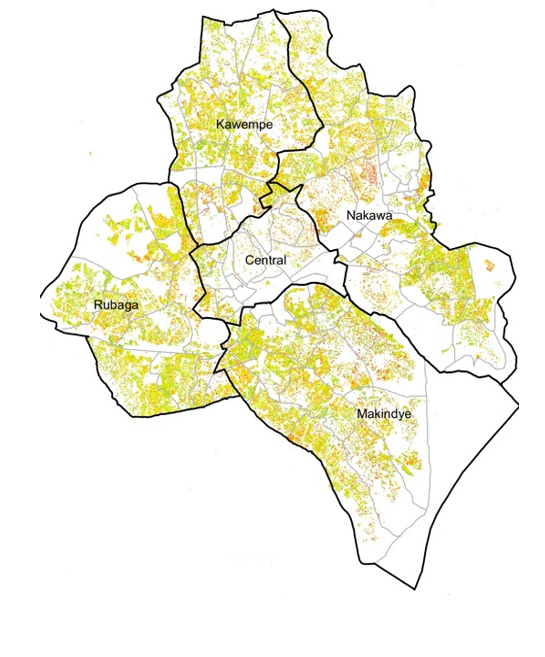
Kampala faces a lack of revenue to be able to invest in infrastructure and services needed for sustainable urban development. Over a number of years, the city has looked to address this through the digitalisation and automation of revenue and expenditure systems, building in-house capacity, and enhancing the social contract between citizens and the city (click here for more information). The eCitie platform makes online payment of taxes and compliance much easier. Most recently, a simple and fit-for-purpose property tax system was created that included digitalisation of property tax registry with GIS mapping.  Click here for more detailed information on this project. 

RELEVANCE TO THE CALL TO ACTION ON SUSTAINABLE URBANISATION ACROSS THE COMMONWEALTH

These examples have been chosen because of their relevance to the Call to Action, as shown by the direct quotes provided below. To view the Call to Action click here.

  • “Sustainable urbanisation requires a commitment to good governance, integrated planning, effective service delivery together with fiscal and political empowerment.” 
  • “The Commonwealth has the potential to transform the way in which it does business to achieve a uniquely Commonwealth response to the challenges and opportunities of urbanisation.” 
  • “Sustainable urbanisation demands collective action – genuine multi-level governance – to empower, enable and support cities and their citizens.” 

THIS EXAMPLE HAS BEEN PROVIDED BY

The International Growth Centre: www.theigc.org

Local Climate Adaptive Living (LOCAL) facility in Tuvalu

Local Climate Adaptive Living (LOCAL) facility in Tuvalu 

CROSS-CUTTING SECTORS

Climate, resilience, finance, governance 

ORGANISATION(S)

CLGF, TA from UNCDF, on site local TA, national and councils  

PROJECT OVERVIEW 

LOCAL is a mechanism to promote climate change resilient communities and economics by increasing financing for and investment in climate change adaptation at the local level. LOCAL combines performance–based climate resilience grants which ensure programming and verification of climate expenditures at the local level, with technical and capacity building. The project is designed to re-enforce existing national and sub-national financial and fiscal delivery systems, and it uses the demonstration effect to trigger further flows for local adaptation, including national fiscal transfers and global climate finance for local authorities through their central governments. The project is built upon national systems, the performance-based climate resilience grants system comprises of the following key elements: 

  1. Local developing planning process and budgeting; 
  1. Public Finance Management; 
  1. Monitoring and evaluation 
  1. Reporting  
  1. A set of minimum conditions and performance measures for the performance-based climate resilience grants allocation and disbursements. 

Click here for more information. 

RELEVANCE TO THE CALL TO ACTION ON SUSTAINABLE URBANISATION ACROSS THE COMMONWEALTH

These examples have been chosen because of their relevance to the Call to Action, as shown by the direct quotes provided below. To view the Call to Action click here.

  • “Cities and human settlements are responsible for ensuring delivery of essential services including water, sanitation, healthcare, education, public transport, and housing, upon which their citizens depend.’ 
  • “Cities are a major source of greenhouse gas emissions and where the impacts of climate change are experienced acutely.” 
  • “Sustainable urbanisation requires a commitment to good governance, integrated planning, effective service delivery together with fiscal and political empowerment.” 
  • “Sustainable urbanisation demands collective action – genuine multi-level governance – to empower, enable and support cities and their citizens.”  

THIS EXAMPLE HAS BEEN PROVIDED BY

Commonwealth Local Government Forum (CLGF): https://www.clgf.org.uk/

Building the Capacity of Urban Practitioners in East Africa

Building the Capacity of Urban Practitioners in East Africa

CROSS-CUTTING SECTORS

Capacity building 

ORGANISATION(S)

Commonwealth Association of Architects in partnership with Makerere University, the University of Cape Town and the Indian Institute for Human Settlements 

PROJECT OVERVIEW 

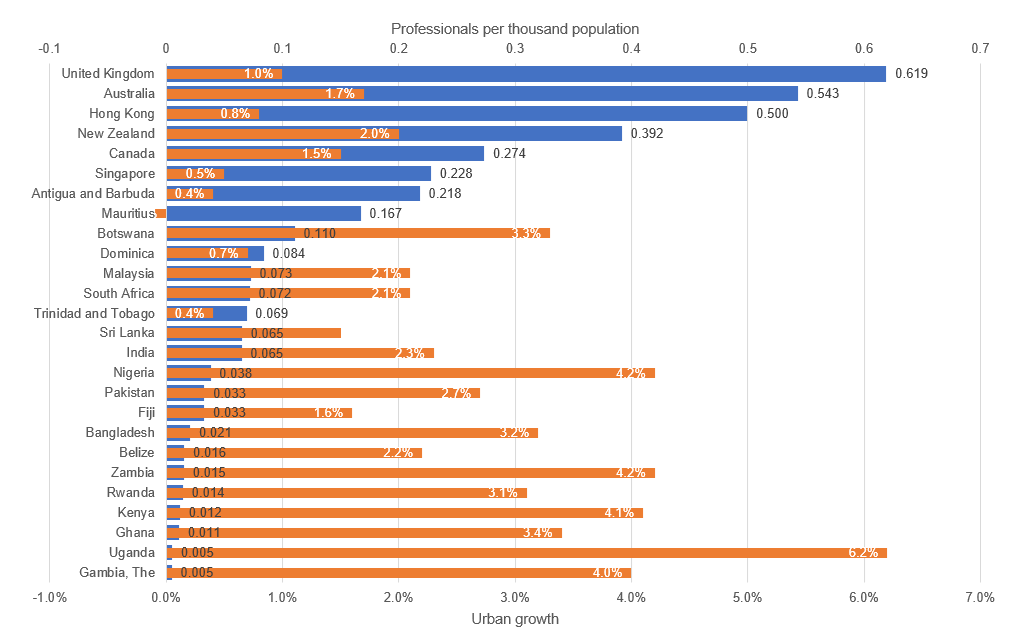
There is a severe lack of capacities across several Commonwealth countries, particularly those in the global South, to deal with rapid urbanization, climate change and informality. The Commonwealth’s recent initiatives to quantify this lack of capacity illustrates the critical gap in the availability of trained professionals such as architects, planners, engineers and surveyors that these geographies face. Especially in the public sector, there is the need to foster change in thinking and operating, in order to better design, develop and manage cities and human settlements. These cities need to be more inclusive and sustainable and need to develop the local capacity to respond to challenges – in a scalable and replicable manner. The proposed initiative leverages a Theory of Change approach to design, develop and implement a mid- to long-term capacity building programme aimed at building urban practitioners in Uganda and across East Africa. It leverages the experience of the Indian Institute for Human Settlements in India in building a programme for capacity building for urban professionals over the past decade and aims to foster South-South learning. The proposed programme aims to conduct thematic and meta-thematic workshops among the stakeholders of urbanization in the identified geographies.  

RELEVANCE TO THE CALL TO ACTION ON SUSTAINABLE URBANISATION ACROSS THE COMMONWEALTH

These examples have been chosen because of their relevance to the Call to Action, as shown by the direct quotes provided below. To view the Call to Action click here.

  • “Cities and human settlements are responsible for ensuring delivery of essential services including water, sanitation, healthcare, education, public transport, and housing, upon which their citizens depend.’ 
  • “Universities, research, technology, innovation, and knowledge sharing will be at the heart of ensuring sustainable cities and human settlements of the future.’ 
  • “Sustainable urbanisation demands collective action – genuine multi-level governance – to empower, enable and support cities and their citizens.”  

THIS EXAMPLE HAS BEEN PROVIDED BY

Indian Institute for Human Settlements (IIHS): www.iihs.co.in

Access to Secure Land for Housing in Freetown, Sierra Leone

Access to Secure Land for Housing in Freetown, Sierra Leone 

CROSS-CUTTING SECTORS

Urban planning, land tenure, governance, housing, health, WASH, climate, resilience, community-led 

ORGANISATION(S)

Sierra Leone Urban Research Centre (SLURC) in partnership with Federation of Urban and Rural Poor – Sierra Leone (FEDURP) with the support of Architecture Sans Frontières – UK and The Bartlett Development Planning Unit of University College London.

PROJECT OVERVIEW 

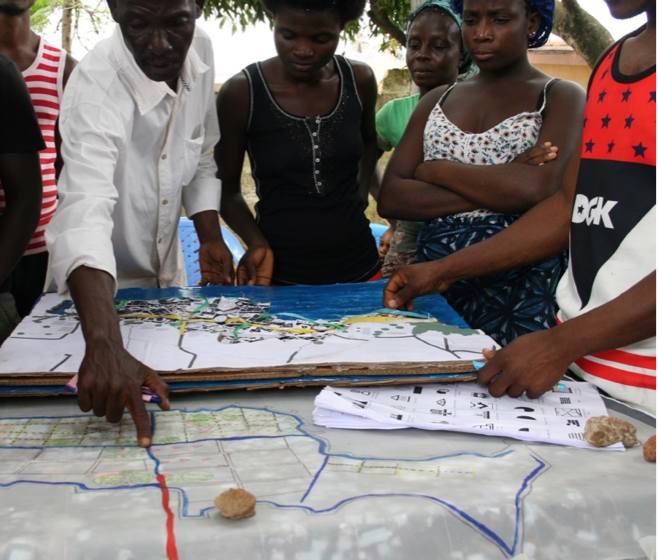
Unplanned growth and the lack of adequate access to secure land for housing are among the main challenges faced in Freetown. More than 30% of Freetown’s population live in informal settlements, and local or national governments do not have any specific policy focused on informal settlement upgrading. There is no coordinated effort to secure tenure for those living in informal settlements or to improve their living conditions. This challenge is being addressed through the development of the Community Action Area Planning methodology (CAAP). CAAP aims to identify key development principles and potential actions for the upgrading of informal settlements in Freetown. Cockle Bay and Dwarzack were the first informal settlements to engage in this process, and its development aimed to recognise and enhance the capacity of local residents to respond to the settlement’s development challenges, support efforts to avoid evictions, and promote community-led in-situ upgrading initiatives. A governance structure to the implementation of the CAAPs was set up, which aimed to build community ownership of the process, as well as institutional avenues to ensure that the outputs would be endorsed by Freetown City Council and relevant national ministries. This resulted in the setting up of a community learning platform (involving key representatives from the settlement) and a city learning platform (composed by key urban stakeholders). Click here and here for more information.

RELEVANCE TO THE CALL TO ACTION ON SUSTAINABLE URBANISATION ACROSS THE COMMONWEALTH

These examples have been chosen because of their relevance to the Call to Action, as shown by the direct quotes provided below. To view the Call to Action click here.

  • “Cities and human settlements are responsible for ensuring delivery of essential services including water, sanitation, healthcare, education, public transport, and housing, upon which their citizens depend.” 
  • “Sustainable urbanisation requires a commitment to good governance, integrated planning, effective service delivery together with fiscal and political empowerment.” 
  • “Sustainable urbanisation demands collective action – genuine multi-level governance – to empower, enable and support cities and their citizens.”  

THIS EXAMPLE HAS BEEN PROVIDED BY

International Institute for Environment and Development (IIED): https://www.iied.org/

Co-composting Plant in Sakhipur, Bangladesh

Co-composting Plant in Sakhipur, Bangladesh

CROSS-CUTTING SECTORS

WASH, governance, circular economy

ORGANISATION(S)

Sakhipur Municipality in partnership with WAB and BASA and the Department for Agricultural Extension

PROJECT OVERVIEW 

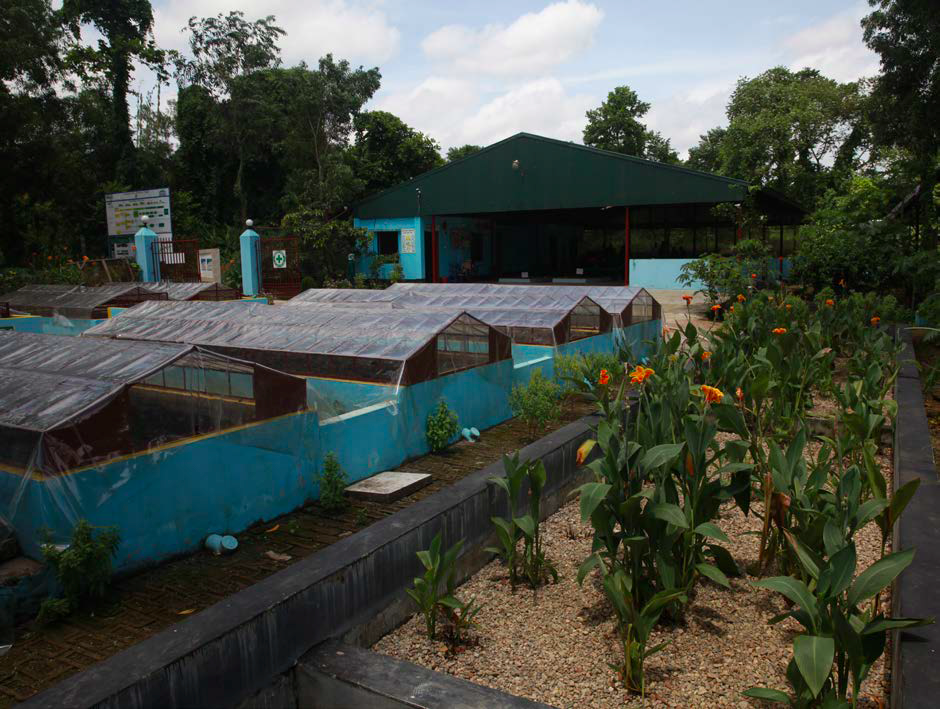
Sakhipur, is a 33,000-inhabitant town in Tangail District, Bangladesh with very poor sanitation. Sakhipur’s sanitation situation was such that sludge was either left in full pits and septic tanks, or emptied and discharged unsafely, causing environmental contamination and health concerns. Solid waste management was complex due to limited treatment. The pourashava (municipality) is responsible for Faecal Sludge Management (FSM) services as well as solid waste management, yet small towns usually do not have the adequate human resources, budget or incentives to deal with the issue. To address this challenge, WaterAid Bangladesh (WAB) and the Bangladesh Association for Social Advancement (BASA) have supported Sakhipur Municipality both technically and financially to analyse the situation; evaluate potential options; and establish a co-composting plant in 2015, which became operational in 2016. The plant treats both faecal sludge and organic waste to produce good quality compost, sold to local farmers. This came alongside improvements along the sanitation chain, such as better faecal sludge emptying with Vacutug motorised pumps, recruiting waste transport workers, and encouraging source separation of organic waste. This solution was chosen given the current waste streams and especially given the high demand for compost coming from neighbouring farmers. Click here for more information.

RELEVANCE TO THE CALL TO ACTION ON SUSTAINABLE URBANISATION ACROSS THE COMMONWEALTH

These examples have been chosen because of their relevance to the Call to Action, as shown by the direct quotes provided below. To view the Call to Action click here.

  • “Cities and human settlements are responsible for ensuring delivery of essential services including water, sanitation, healthcare, education, public transport, and housing, upon which their citizens depend.”
  • “Sustainable urbanisation requires a commitment to good governance, integrated planning, effective service delivery together with fiscal and political empowerment.”
  • “Sustainable urbanisation demands collective action – genuine multi-level governance – to empower, enable and support cities and their citizens.

THIS EXAMPLE HAS BEEN PROVIDED BY

WaterAid: https://www.wateraid.org/uk/

One City Plan in Bristol UK

One City Plan in Bristol UK

CROSS-CUTTING SECTORS

Governance, SDGs, Public service delivery, Urban Planning, Youth, Housing, Climate, Financing, Transport, Health, Capacity Building, Community-led

ORGANISATION(S)

Bristol City Council

PROJECT OVERVIEW 

Launched in January 2019, the One City Plan describes where Bristol wants to be by 2050, and how city partners will work together to create a fairer, healthy and sustainable city. The One City Approach brings together a wide range of public, private, and third sector partners within Bristol. They share an aim to make Bristol a fair, healthy and sustainable city. A city of hope and aspiration, where everyone can share in its success. One of the key messages to the city is that no single organisation can solve the interconnected challenges facing Bristol alone. The One City Approach reconstitutes the City Council as a convening space for the energy and expertise of the city’s businesses, universities, public services, sports clubs, international communities and the voluntary and community sector. By bringing together partners from across the city they can deliver sustainable inclusive development that is integrated and improves connection with communities by including under-represented groups, and allowing them to shape the plans. The One City Plan is structured around six themes; Connectivity, Economy, Environment, Health and Wellbeing, Homes and Communities, and Learning and Skills. All the initiatives within the One City Plan are underpinned by the UN 2030 Sustainable Development Goals, which provide an internationally recognised framework to benchmark the city’s aspirations and progress. Click here to view the One City Plan dashboard.

RELEVANCE TO THE CALL TO ACTION ON SUSTAINABLE URBANISATION ACROSS THE COMMONWEALTH 

These examples have been chosen because of their relevance to the Call to Action, as shown by the direct quotes provided below. To view the Call to Action click here.

  • “Cities and human settlements are responsible for ensuring delivery of essential services including water, sanitation, healthcare, education, public transport, and housing”
  • “Cities are a major source of greenhouse gas emissions and where the impacts of climate change are experienced acutely.”
  • “Sustainable urbanisation demands collective action – genuine multi-level governance – to empower, enable and support cities and their citizens.”
  • “Sustainable urbanisation requires a commitment to good governance, integrated planning, effective service delivery together with fiscal and political empowerment.”
  • “The Commonwealth has the potential to transform the way in which it does business to achieve a uniquely Commonwealth response to the challenges and opportunities of urbanisation.”

THIS EXAMPLE HAS BEEN PROVIDED BY

Bristol City Council

Indigenous Cultural Centre Feasibility Study in Lethbridge, Canada

Indigenous Cultural Centre Feasibility Study in Lethbridge, Canada

CROSS-CUTTING SECTORS

Good Governance, Inclusion, Community-Led

ORGANISATION(S)

City of Lethbridge including urban Indigenous Communities and the public. 

PROJECT OVERVIEW 

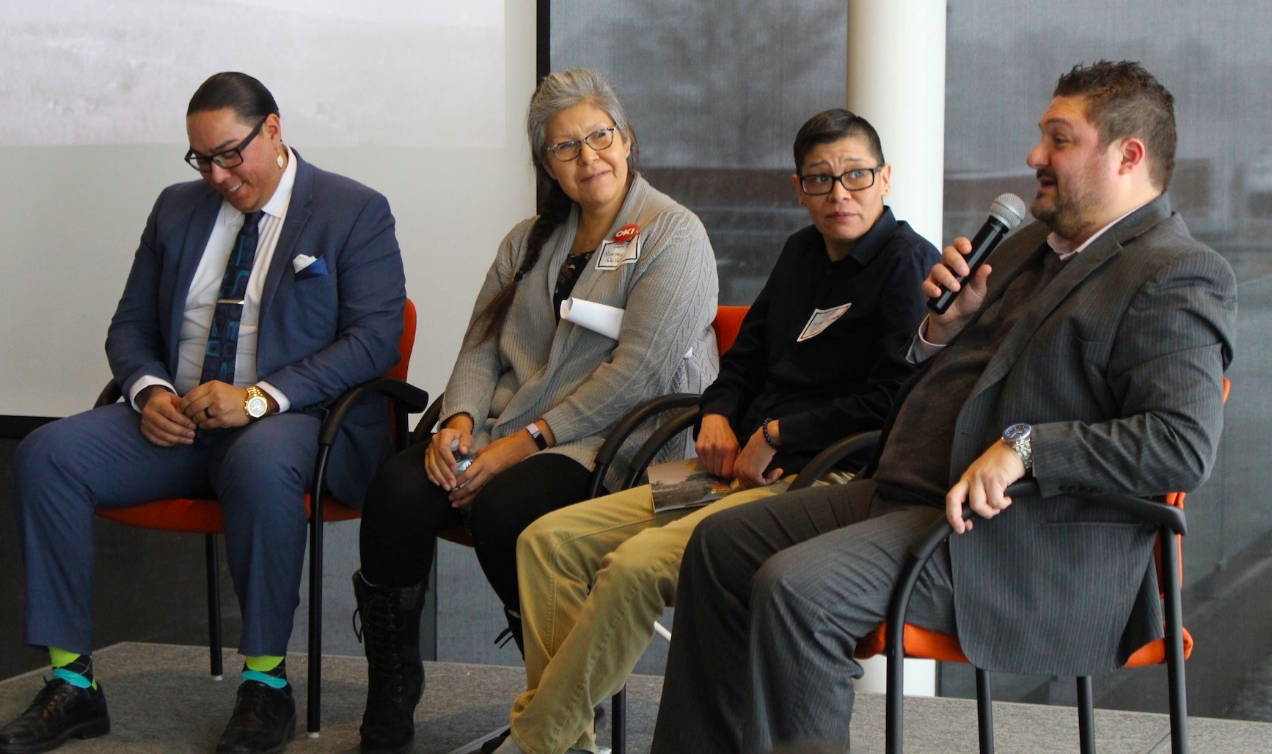
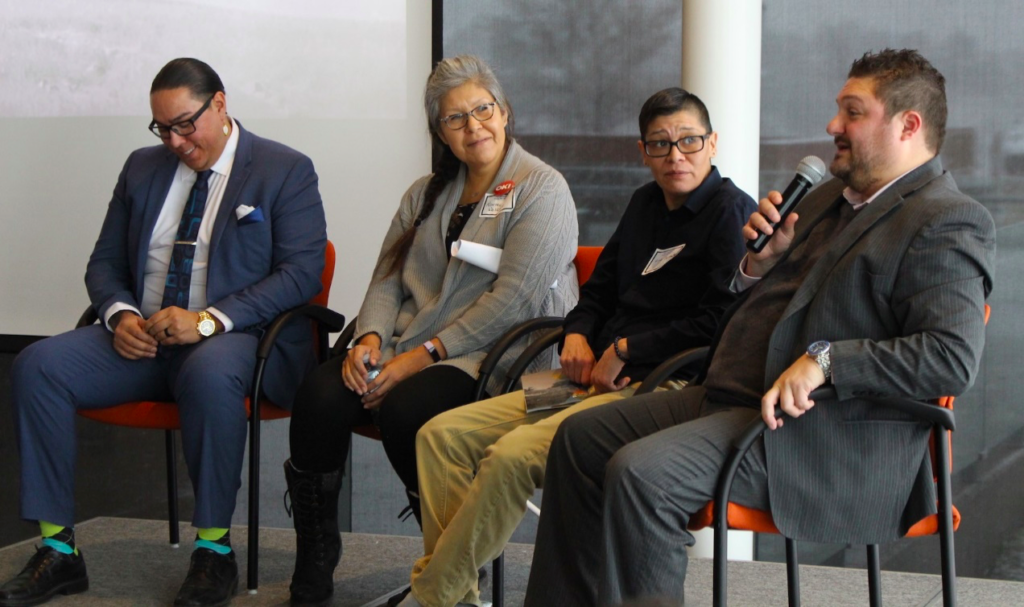
Lethbridge is located within the heart of Siksikaitsitapi (Blackfoot) Territory and the Métis Nation of Alberta, Region 3. Indigenous partners in the city have long articulated the need for an Indigenous Cultural Centre (ICC), including its ability to contribute to positive health and wellness, education, economic and cultural outcomes, as well as advancing reconciliation between indigenous and non-indigenous peoples. In 2019, the City and its partners undertook a Feasibility Study to understand the business case for an ICC. The study sought to harness the power of meaningful, user-driven engagement to generate shared understanding of the needs, benefits and opportunities of an ICC, including its purpose, function and governance. The projects approach to engagement challenged paradigms, whereby the Project Team transformed from leader to listener and Indigenous partners, from audience to narrator in so doing, Indigenous voices were empowered, and a legacy was created project and community. Click here to find out more. 

RELEVANCE TO THE CALL TO ACTION ON SUSTAINABLE URBANISATION ACROSS THE COMMONWEALTH 

These examples have been chosen because of their relevance to the Call to Action, as shown by the direct quotes provided below. To view the Call to Action click here.

  • “Sustainable urbanisation demands collective action – genuine multi-level governance – to empower, enable and support cities and their citizens.”
  • “Cities and human settlements are responsible for ensuring delivery of essential services including water, sanitation, healthcare, education, public transport, and housing, upon which their citizens depend.”
  • “Sustainable urbanisation requires a commitment to good governance, integrated planning, effective service delivery together with fiscal and political empowerment.”

THIS EXAMPLE HAS BEEN PROVIDED BY

Commonwealth Association of Planners (CAP) Awards: https://www.commonwealth-planners.org/

Rapid Planning Toolkit in Bo, Sierra Leone

Rapid Planning Toolkit in Bo, Sierra Leone 

CROSS-CUTTING SECTORS

Urban planning, capacity building, climate, governance 

ORGANISATION(S)

The Prince’s Foundation in partnership with the Commonwealth Association of Planners, New York Marron Institute for Urban Management, UN-Habitat, Bo City Council, Commonwealth Local Government Forum, Commonwealth Association of Architects and University College of Estate Management 

PROJECT OVERVIEW 

The speed and scale of growth anticipated in the next few decades will mean that managing urban areas, and planning for new sustainable urban extensions, will be one of the most important challenges facing cities and societies in the 21st century. The Rapid Planning Toolkit is a simple and practical 4-step tool which intends to assist city leaders and built environment professionals in creating robust and implementable walkable neighbourhood plans in rapidly growing cities or towns. The Toolkit advocates that built environment professionals collaborate with local and national governments, technical specialists and local communities to create effective city planning. The Toolkit is currently being tested in Bo, Sierra Leone which has a population of 270,000, set to triple to 540,000 by 2040. In just 9 months they completed Steps 1-3, including tree planting and are due to start Step 4 in 2021. An Online Learning Platform which will enable cities to learn about the Toolkit, download resources and access templates will be available soon. Click here for more information about the Toolkit resources and the Bo Case Study. 

RELEVANCE TO THE CALL TO ACTION ON SUSTAINABLE URBANISATION ACROSS THE COMMONWEALTH

These examples have been chosen because of their relevance to the Call to Action, as shown by the direct quotes provided below. To view the Call to Action click here.

  • “Sustainable urbanisation demands collective action – genuine multi-level governance – to empower, enable and support cities and their citizens” 
  • Cities and human settlements are responsible for ensuring delivery of essential services including water, sanitation, healthcare, education, public transport, and housing. 
  • Sustainable urbanisation requires a commitment to good governance, integrated planning, effective service delivery together with fiscal and political empowerment. 
  • Sustainable urbanisation demands collective action – genuine multi-level governance – to empower, enable and support cities and their citizens.  
  • Universities, research, technology, innovation, and knowledge sharing will be at the heart of ensuring sustainable cities and human settlements of the future.   

THIS EXAMPLE HAS BEEN PROVIDED BY

Commonwealth Association of Planners (CAP): https://www.commonwealth-planners.org/

The Prince’s Foundation: https://princes-foundation.org/