Nutrition Smart Cities: ‘BINDI’ Birmingham India Nutrition Initiative in Birmingham and Pune

Nutrition Smart Cities: ‘BINDI’ Birmingham India Nutrition Initiative in Birmingham and Pune 

CROSS-CUTTING SECTORS

Food, Health, COVID-19 

ORGANISATION(S)

Food Foundation, UK Foreign, Commonwealth and Development Office, Birmingham City Council, Pune Municipal Corporation 

PROJECT OVERVIEW 

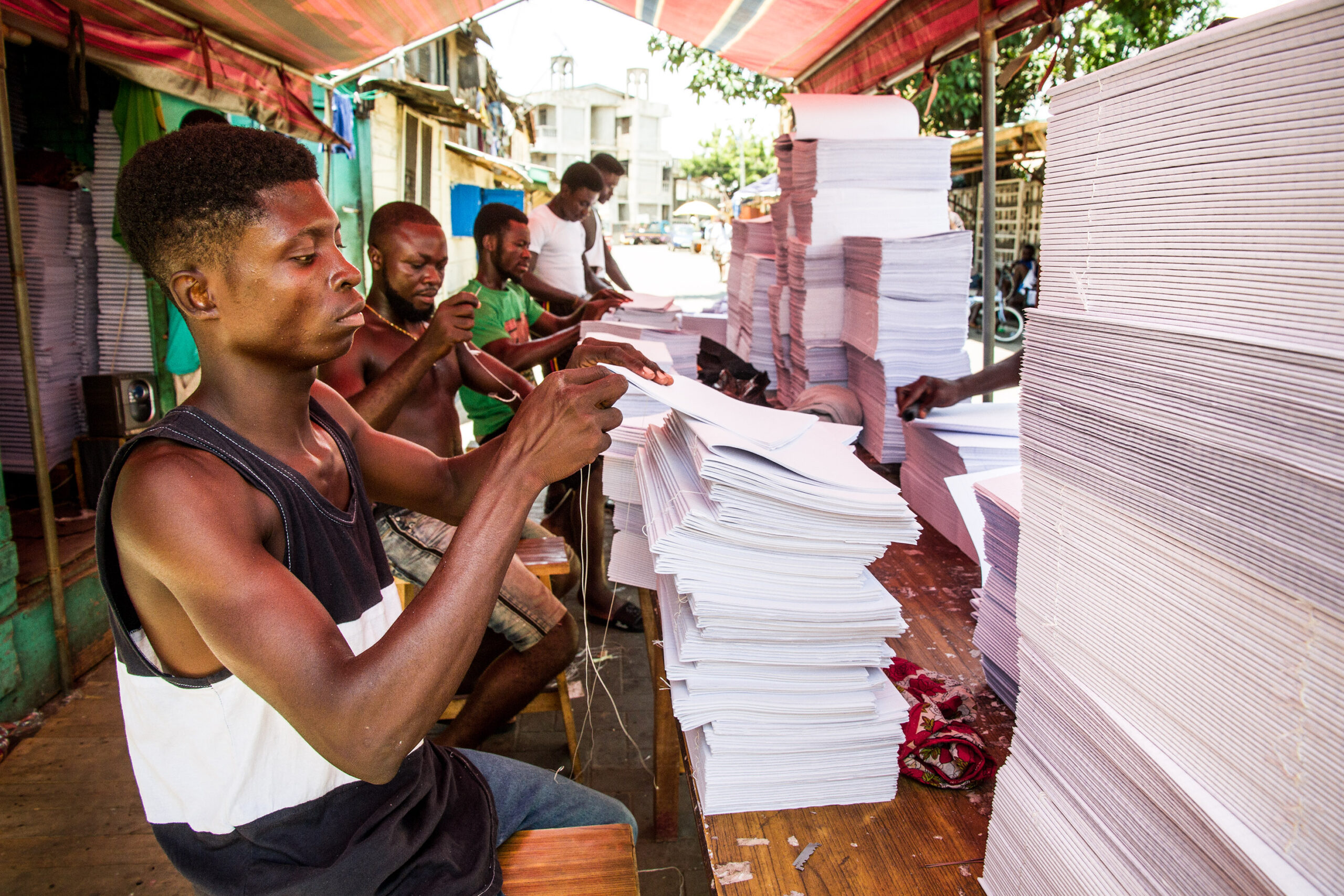
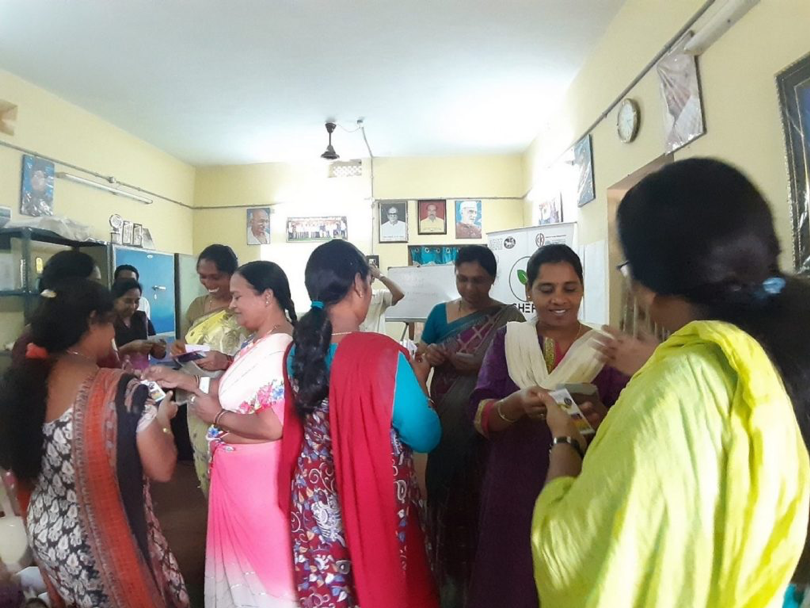
The Food Foundation facilitated a learning partnership between Birmingham, UK and Pune, India which involved the development of policies and practices as part of a ‘Food Smart City’ initiative. Food Smart Cities use data and technology to change the way that food is produced, processed, distributed and consumed. Birmingham and Pune have a common ambition to seize opportunities to support safer, healthier and more sustainable city food environments which prevent malnutrition in all its forms. The focus of the partnership is on policies regarding food prepared out of the home – to encourage that food which is available and promoted is safe, nutritious, affordable and procured in a manner which supports environmental sustainability and local economic development. In the first 18-month phase, the Food Foundation worked with local authorities in both cities to design the partnership, based on citizen engagement and evidence from elsewhere around the globe. A Situational Analysis Reports for both Birmingham and Pune which compiled secondary data on the nutrition situation in both cities to inform the partnership. Both cities shared a similar approach when responding to the COVID-19 emergency. Case studies and videos have been produced highlighting partnerships with the voluntary sector to ensure emergency food aid was delivered to communities and families in need. Click here to find out more.  

RELEVANCE TO THE CALL TO ACTION ON SUSTAINABLE URBANISATION ACROSS THE COMMONWEALTH

These examples have been chosen because of their relevance to the Call to Action, as shown by the direct quotes provided below. To view the Call to Action click here.

  • “Sustainable urbanisation demands collective action – genuine multi-level governance – to empower, enable and support cities and their citizens. This is critical as many Commonwealth cities and human settlements are grappling with poverty, informality, food security and migration.” 
  • “Sustainable urbanisation requires a commitment to good governance, integrated planning, effective service delivery together with fiscal and political empowerment.” 
  • “The Commonwealth has the potential to transform the way in which it does business to achieve a uniquely Commonwealth response to the challenges and opportunities of urbanisation.” 

THIS EXAMPLE HAS BEEN PROVIDED BY

Food Foundation: https://foodfoundation.org.uk/
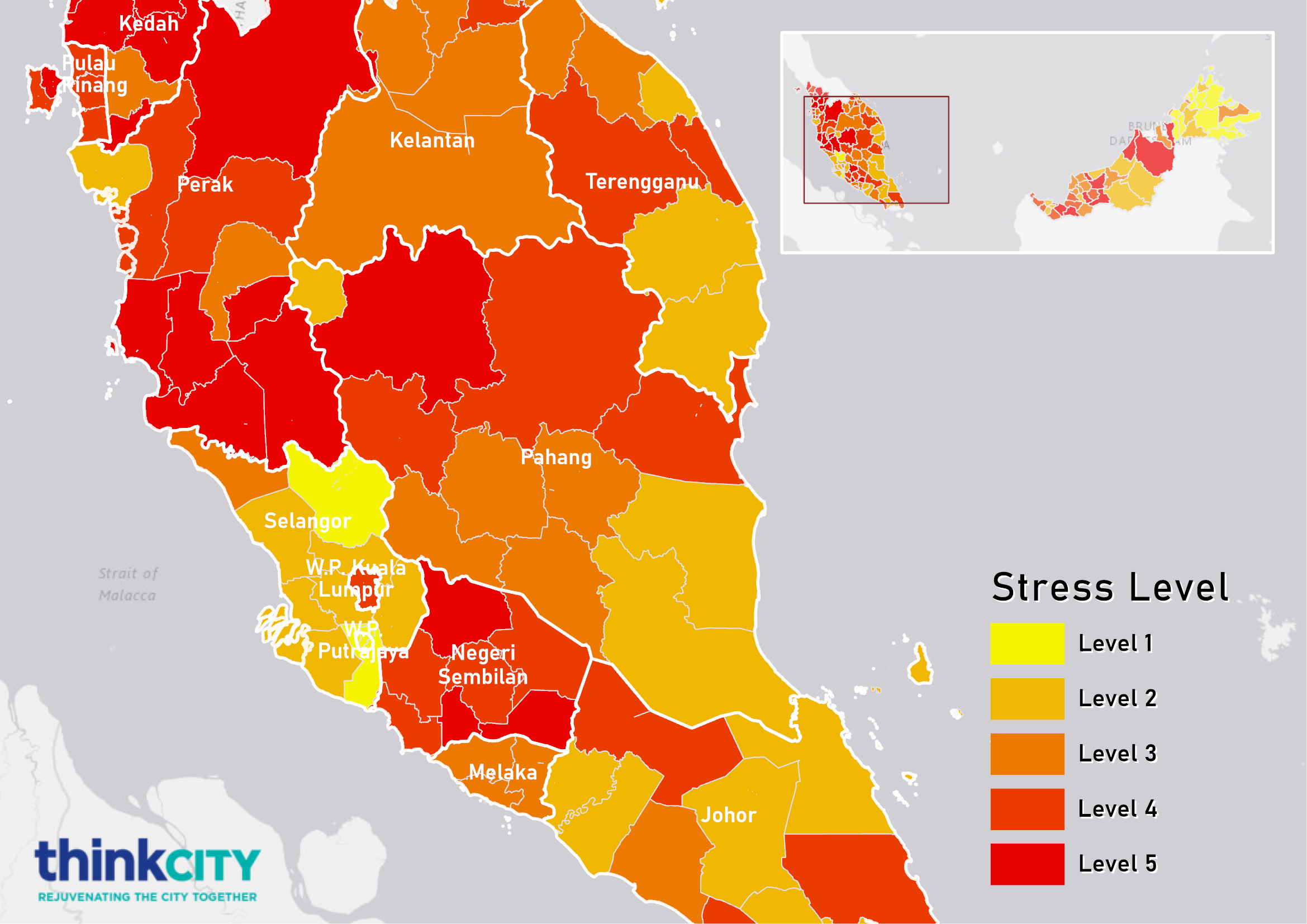
Mapping Vulnerability and Resilience in Malaysia

Mapping Vulnerability and Resilience in Malaysia  

CROSS-CUTTING SECTORS

Good Governance, Technology, Resilience, COVID-19 

ORGANISATION(S)

Think City

PROJECT OVERVIEW 

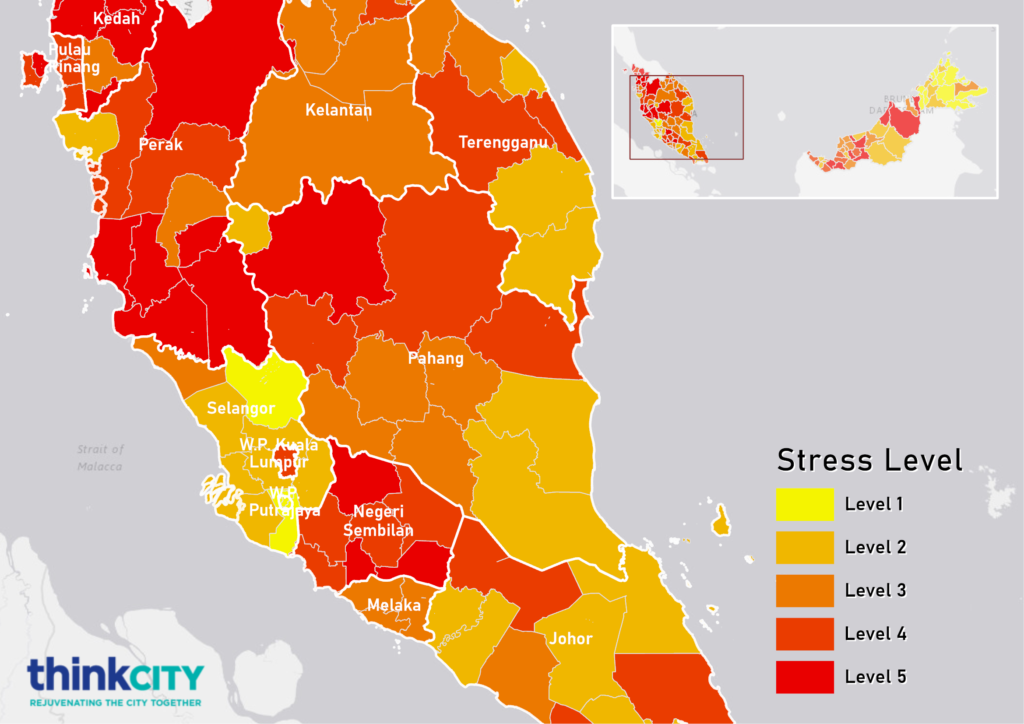
Despite the socio-economic toll of public health interventions cited by numerous academics, there had been a lack of investigation into the inter-related nature of the COVID-19 impacts and how vulnerability and community resilience would play out spatially. This project aimed to tackle the lack of analysed data in Malaysia, to aid decision-making and raise awareness amongst the public regarding the different levels of impacts associated with Covid-19. A GIS (Geographical Information System) multi-criteria analysis was developed to model the relative social, economic, and health impacts and risks of the pandemic, with the overall aim of identifying vulnerable communities in Malaysia. The mapping tool can be found here. Key challenges included the lack of granular data to accurately map and identify specific sites of vulnerability, as well as ensuring that the data would not be outdated in the face of new reported cases and research produced each day. This exercise demonstrated the crucial role of data in addressing the uncertainties surrounding the pandemic and gaps in developing adaptive response plans and policies. The development of the mapping tool led to an urban policy paper titled ‘Mapping Vulnerability and Resilience: A decision support tool for policymakers’, which dissected the findings and made key policy recommendations based on the spatial and demographic inequality found through the analysis. The policy paper can be found here

RELEVANCE TO THE CALL TO ACTION ON SUSTAINABLE URBANISATION ACROSS THE COMMONWEALTH

These examples have been chosen because of their relevance to the Call to Action, as shown by the direct quotes provided below. To view the Call to Action click here.

  • Cities “are vulnerable to external shocks and natural disasters and are dealing with both the immediate and long-term effects of the COVID-19 global pandemic.” 
  • Universities, research, technology, innovation, and knowledge sharing will be at the heart of ensuring sustainable cities and human settlements of the future. 
  • “Sustainable urbanisation requires a commitment to good governance, integrated planning, effective service delivery together with fiscal and political empowerment.” 
  • “Sustainable urbanisation demands collective action – genuine multi-level governance – to empower, enable and support cities and their citizens.”  

THIS EXAMPLE HAS BEEN PROVIDED BY

Think City: https://thinkcity.com.my/

Localising the 2030 Agenda Through Sustainable Urban Resource Management in Fiji

Localising the 2030 Agenda Through Sustainable Urban Resource Management in Fiji 

CROSS-CUTTING SECTORS

Waste management, capacity building, governance, SDGs 

ORGANISATION(S)

UNESCAP, UNHABITAT, JICA, CLGF, Ministry of Local Government, Nasinu Town Councils and members of different groups from communities in Nasinu including representatives from the informal settlement and business community.

PROJECT OVERVIEW 

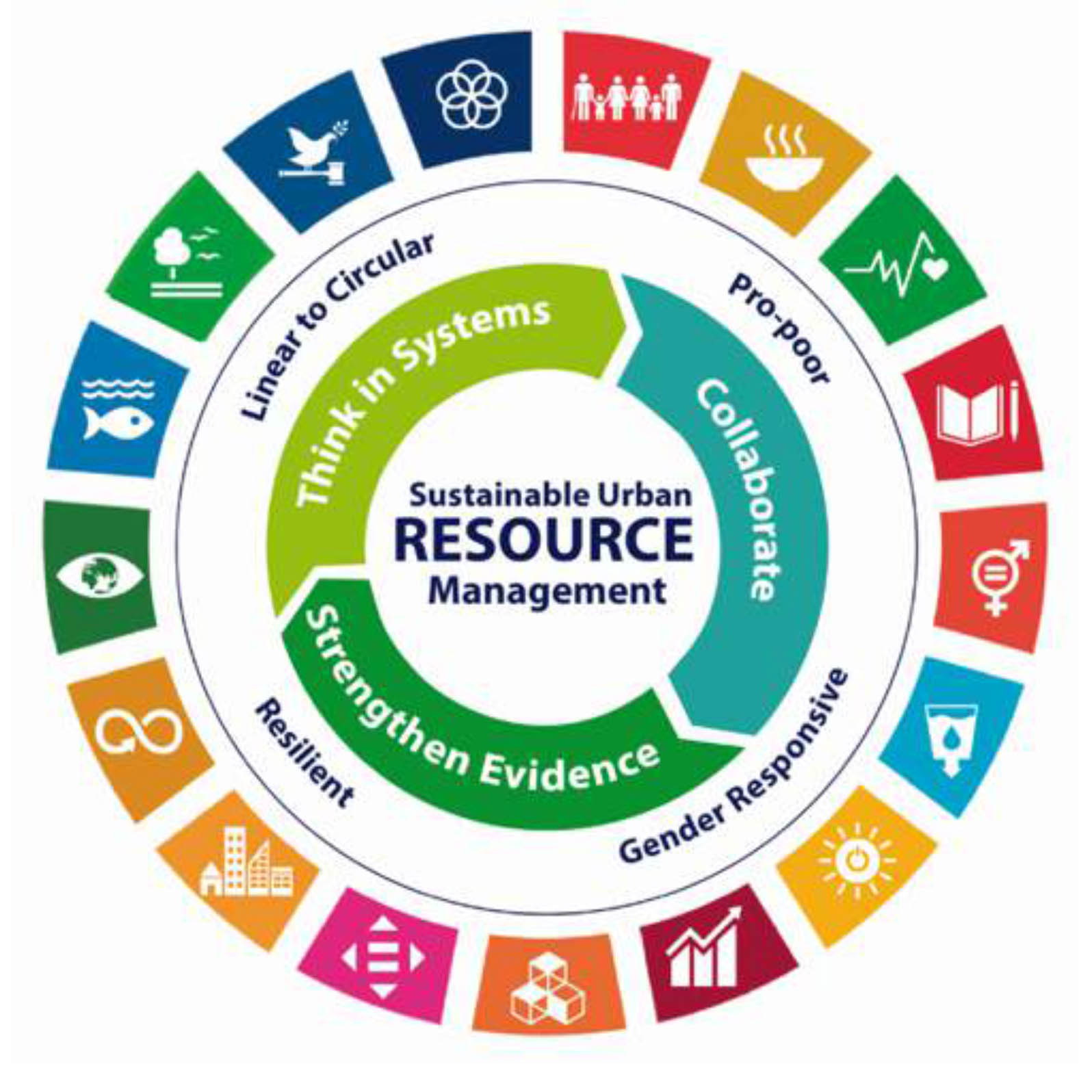
Many people in the Pacific continue to move to towns and cities resulting in significant and unsustainable use of resources, environmental degradation, waste and pollution. This set of challenges is particularly problematic for poor and vulnerable populations with limited access to basic infrastructure and services as well as decent livelihoods especially linked to eco-systems and natural resources. These challenges were addressed in this project through strengthening the capacities of local governments and other key urban stakeholders to implement the 2030 Agenda in the area of urban resource management. This project has a long-term aim of engaging a broad range of urban stakeholders to be able to identify and then implement ways of improving waste management outcomes of the Nasinu Town Council and the community. The focus is to integrate processes such as participatory, evidence, multi stakeholder’s governance and capacity building as precursors to well informed actions. The project helps to build the skills of the Nasinu Town Council and the community members in good local governance practices and procedures to improve solid waste management in Nasinu. The project set up and manage a local multi stakeholder’s coalition who were provided with tools and resources to enhance their ability to plan and implement SDGs, collect, analyse and disseminate data and encourage stakeholders to work together. Click here for more information.  

RELEVANCE TO THE CALL TO ACTION ON SUSTAINABLE URBANISATION ACROSS THE COMMONWEALTH

These examples have been chosen because of their relevance to the Call to Action, as shown by the direct quotes provided below. To view the Call to Action click here.

  • “Cities and human settlements are responsible for ensuring delivery of essential services including water, sanitation, healthcare, education, public transport, and housing, upon which their citizens depend.” 
  • “Sustainable urbanisation requires a commitment to good governance, integrated planning, effective service delivery together with fiscal and political empowerment.” 
  • “Sustainable urbanisation demands collective action – genuine multi-level governance – to empower, enable and support cities and their citizens.”   

THIS EXAMPLE HAS BEEN PROVIDED BY

Commonwealth Local Government Forum (CLGF): https://www.clgf.org.uk/

Community Managed Funds to uplift Local Economic Activities in Ga Mashie, Accra, Ghana

Community Managed Funds to uplift Local Economic Activities in Ga Mashie, Accra, Ghana

CROSS-CUTTING SECTORS

Financing, Urban Poor, Youth, Gender, Community-Led, Public service delivery

ORGANISATION(S)

Participatory Slum Upgrading Programme (PSUP), UN-Habitat

PROJECT OVERVIEW 

Ga Mashie initiative involved slum upgrading and poverty allevistion that was built around strong community participation and empowerment through integration of a community fund to support economic activites for youth and women. As part of activities under the PSUP project implemented within the Ga mashie community, a community fund has been established to assist with the development and upgrading of the community. The Ga Mashie Development Committee (CDC) have introduced a microfinance to support the teaming traders within the community. The microfinance aims at providing formal financial services to poor and lower-income businesses as well as others who are systematically excluded from the financial system. The support to local businesses is to ensure that there is financial inclusion of all working age adults having access to credit, savings and insurance from formal financial services. Community Managed Funds (CMF) was initiated to enable community groups apply for grants to implement projects in the settlements and setting up of micro-finance guarantee facility with local bank for affordable business loans to benefit youth and women. This has grown to Micro-credit with more than 5,000 members Over 5KM of alleys paved with blocks (locally made with local labour) resulting in improved public space, safety and flooding for over 100, 000 residents 7 CMF projects implemented by more than 300 youth and women resulting improved garbage collection, water access and public spaces Community and AMA partnership improved with devolution of upgrading activities to neighbourhoods. Find out more here.

RELEVANCE TO THE CALL TO ACTION ON SUSTAINABLE URBANISATION ACROSS THE COMMONWEALTH

These examples have been chosen because of their relevance to the Call to Action, as shown by the direct quotes provided below. To view the Call to Action click here.

  • “Sustainable urbanisation demands collective action – genuine multi-level governance – to empower, enable and support cities and their citizens.” 
  • “Sustainable urbanisation requires a commitment to good governance, integrated planning, effective service delivery together with fiscal and political empowerment.” 

THIS EXAMPLE HAS BEEN PROVIDED BY

UN-Habitat: https://unhabitat.org

4°C Cooler – Using Green Infrastructure to Build a Climate Resilient and Prosperous Melbourne

4°C Cooler – Using Green Infrastructure to Build a Climate Resilient and Prosperous Melbourne 

CROSS-CUTTING SECTORS

Urban planning, Climate, Resilience 

ORGANISATION(S)

The City of Melbourne 

PROJECT OVERVIEW 

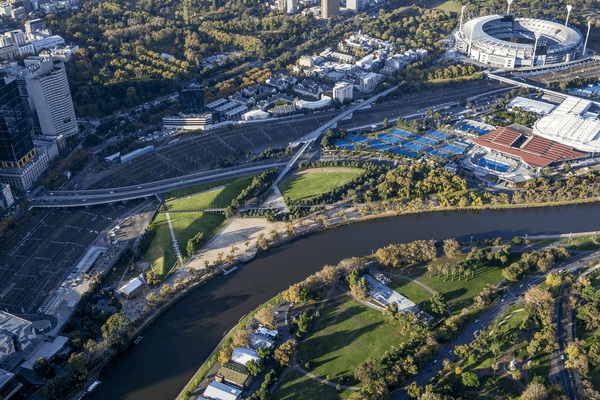
In response to the extremely hot weather experienced in Melbourne over several years, the City of Melbourne have developed an Urban Forest Strategy and Open Space Strategy. The aim is to green the city and ultimately reduce the summertime temperatures in Melbourne by 4°C by 2040. The strategies are to double the green canopy over the city up to 40%, increase the network of green spaces and to expand stormwater harvesting to provide irrigation at times of drought. So far $40 million has been invested and since 2010, 15,000 trees have been planted, streets retrofitted for increased permeability and a new stormwater harvesting system contributes to 25% of water required for landscape irrigation. Click here for more information. 

RELEVANCE TO THE CALL TO ACTION ON SUSTAINABLE URBANISATION ACROSS THE COMMONWEALTH

These examples have been chosen because of their relevance to the Call to Action, as shown by the direct quotes provided below. To view the Call to Action click here.

  • “Cities are a major source of greenhouse gas emissions and where the impacts of climate change are experienced acutely.”
  • “Cities and human settlements are responsible for ensuring delivery of essential services including water, sanitation, healthcare, education, public transport, and housing, upon which their citizens depend.”
  • “Sustainable urbanisation requires a commitment to good governanceintegrated planningeffective service delivery together with fiscal and political empowerment.”

THIS EXAMPLE HAS BEEN PROVIDED BY

UN-Habitat: https://unhabitat.org/

Kita-2-Kita Programme: Empowering Urban Poor Communities in Selangor, Malaysia

Kita-2-Kita Programme: Empowering Urban Poor Communities in Selangor, Malaysia 

CROSS-CUTTING SECTORS

Good Governance, Housing, Urban Poor, COVID-19, Technology, Public Service Delivery 

ORGANISATION(S)

Think City, Afrik Nexus, Selangor State, Menteri Besar Incorporated, Pemodalan Negeri Selangor Berhad, Lembaga Perumahan dan Hartanah Selangor, Perumahan Hartanah Selangor, Citi Foundation 

PROJECT OVERVIEW 

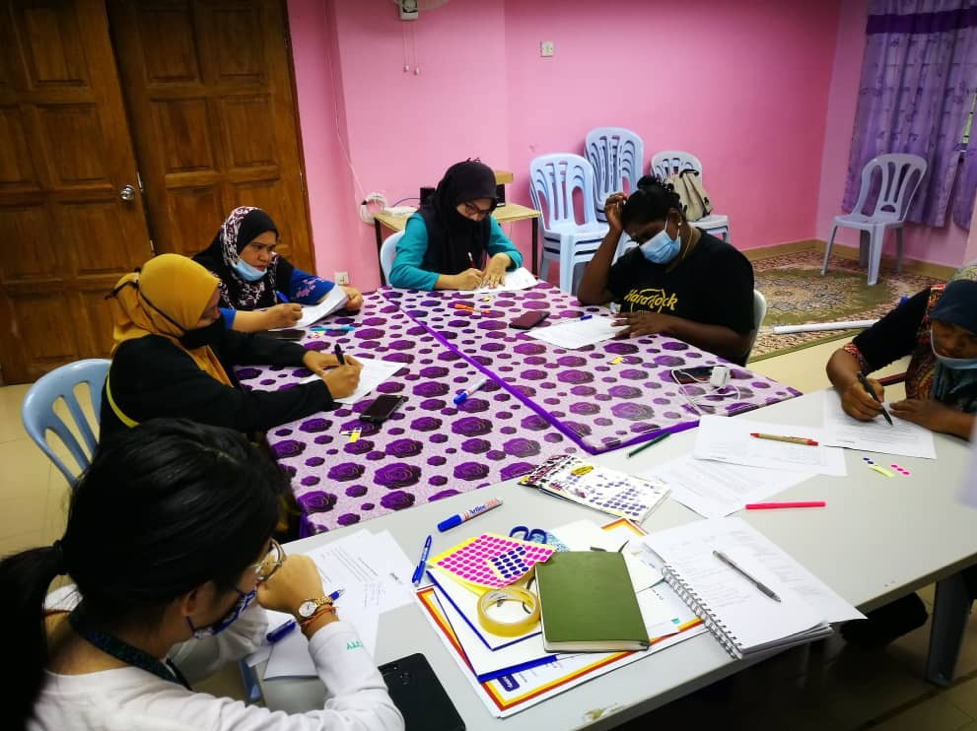
In the Klang Valley (Greater KL), Malaysia, nearly 1 in 4 residents live in public housing which has many major issues that need to be addressed such as old housing stock and infrastructure, lack of social mobility and empowerment, poor job security and other related systemic challenges. The K2K programme has been designed in response to Covid-19 to test ways to engage with the community during movement control restrictions and deliver aid efficiently and transparently. The project has wider aims to reduce residents’ cost of living, improve standard of living and strengthen management systems in urban poor communities within Malaysian public housing schemes. A digital platform links residents with aid and support services in an efficient and transparent way that also generates community insights. In addition to food aid delivery, the programme is now focussing on relieving mental stress, building social cohesion and skills development. The programme delivery combines both traditional and digital methods of implementation.  

RELEVANCE TO THE CALL TO ACTION ON SUSTAINABLE URBANISATION ACROSS THE COMMONWEALTH

These examples have been chosen because of their relevance to the Call to Action, as shown by the direct quotes provided below. To view the Call to Action click here.

  • Cities “are vulnerable to external shocks and natural disasters and are dealing with both the immediate and long-term effects of the COVID-19 global pandemic.” 
  • “Sustainable urbanisation requires a commitment to good governance, integrated planning, effective service delivery together with fiscal and political empowerment.” 
  • “Sustainable urbanisation demands collective action – genuine multi-level governance – to empower, enable and support cities and their citizens.” 

THIS EXAMPLE HAS BEEN PROVIDED BY

Think City: https://thinkcity.com.my/